The choice between a custom exhibition stand and a modular system is one of the most consequential decisions a brand makes when planning its trade show programme. Get it right and you have a stand that performs commercially and fits your operational reality. Get it wrong and you are either overspending on fabrication you do not need or under-investing in brand presence at shows where it matters most.
This guide gives you the decision framework that EFFECT uses when advising clients on stand format without the bias of a contractor who only builds one type.
What Custom and Modular Actually Mean
Before comparing the two, define the terms precisely. The exhibition industry uses these words loosely, and the confusion between them leads to poor decisions.
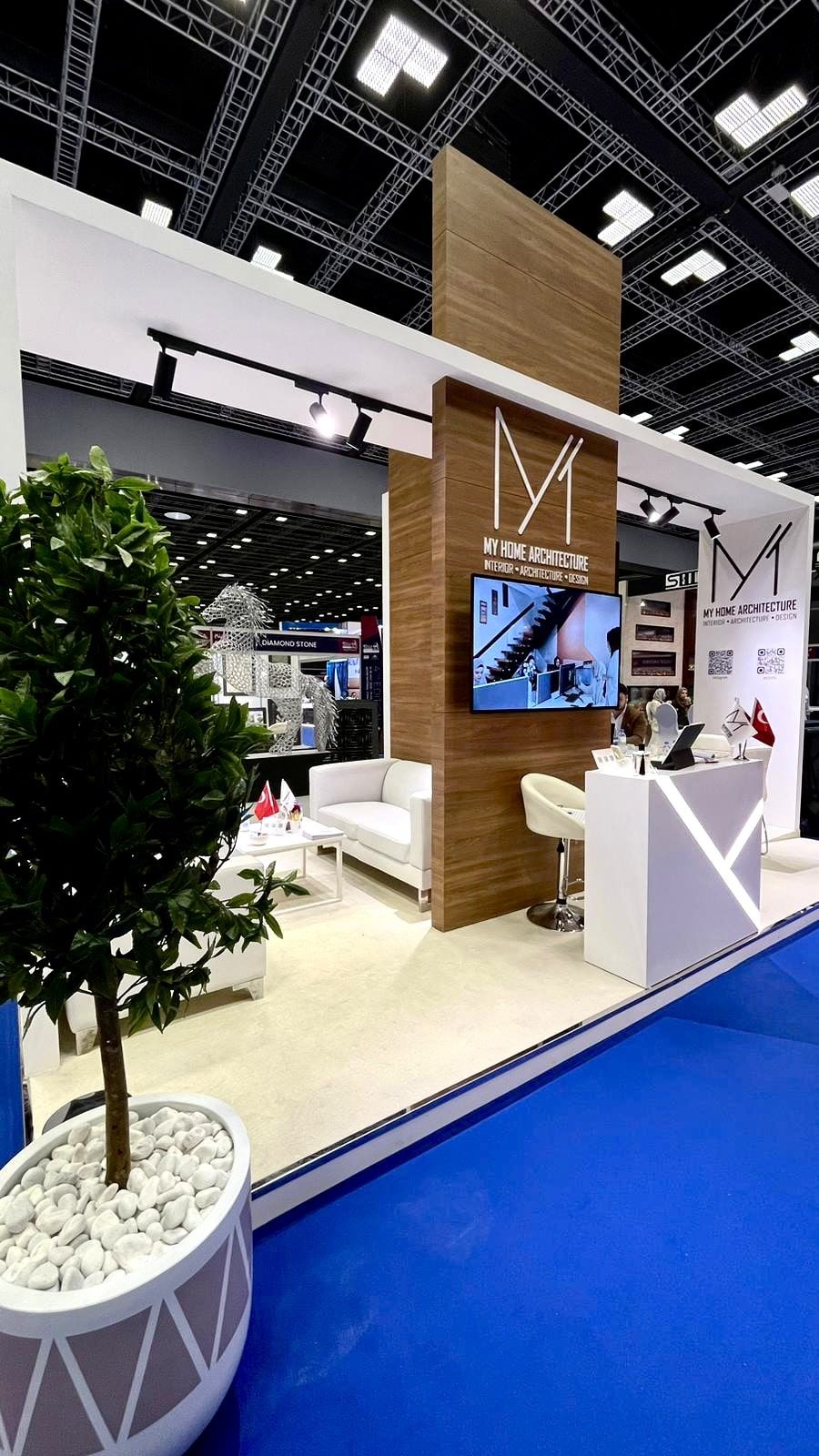
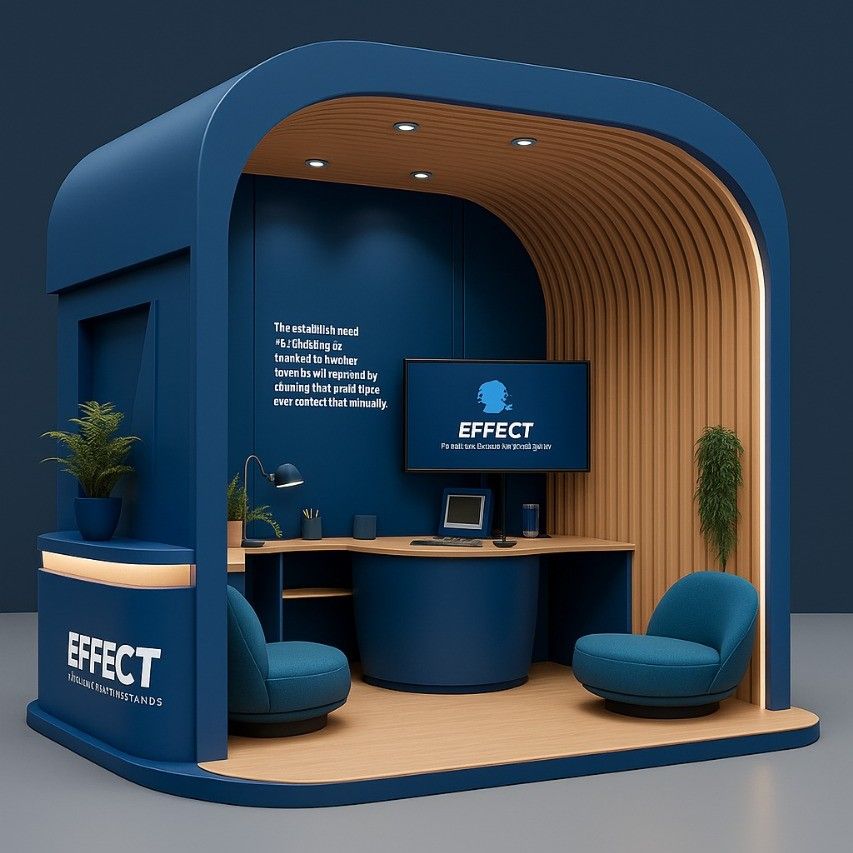
A custom exhibition stand is designed and built from scratch for a specific brand, a specific show, and a specific floor allocation. Every element, the structure, the surfaces, the spatial layout, the lighting design, the furniture, is created to serve that brand's specific objectives at that specific event. A custom stand does not exist before your brief. It is fabricated entirely for you.
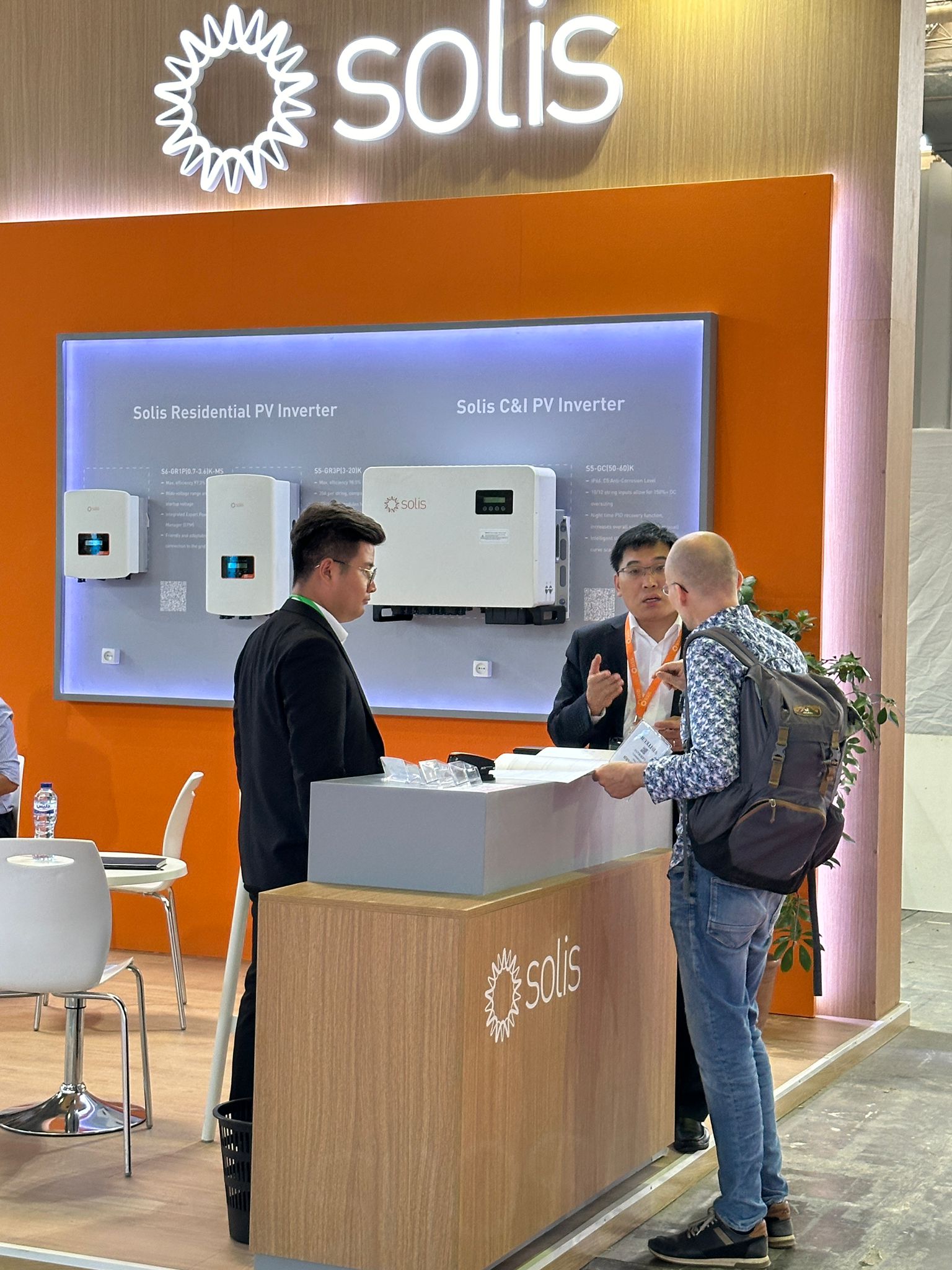
A modular exhibition stand is built from a system of standardised, reusable components, typically aluminium extrusion frames, interchangeable panel infills, and clip-on graphic surfaces. The components are pre-engineered and can be reconfigured into different layouts for different shows. A modular stand is assembled from existing parts, not fabricated from scratch.
Between these two poles sits a spectrum of hybrid approaches — custom elements combined with modular structures, bespoke graphic treatments applied to modular frames, and premium modular systems that approach custom quality at modular economics. Understanding where your project sits on this spectrum is the real decision.
The Case for Custom
Custom exhibition stands exist because modular systems have real limitations that matter commercially at the shows where brand presence is most competitive.
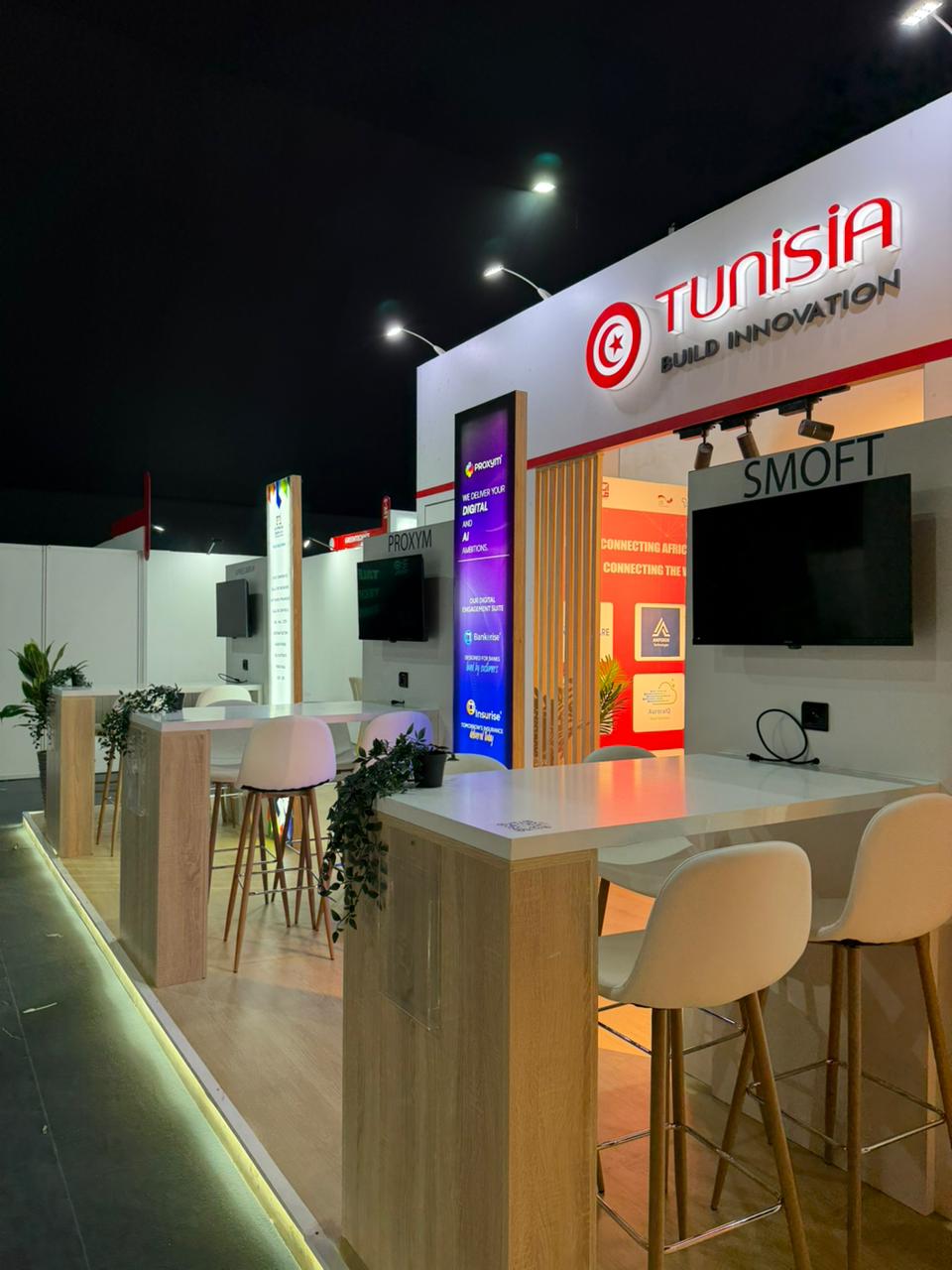
Creative freedom without constraint. A custom stand is designed around your brand, not around the geometry of a frame system. Curved walls, split-level floors, cantilevered structures, bespoke material combinations, and spatial experiences that stop visitors mid-aisle are all possible with custom fabrication and impossible or compromised with standard modular components.
Material quality that communicates brand positioning. High-gloss lacquered surfaces, solid timber, stone, metalwork, LED-integrated architectural elements, these materials signal premium without saying a word. Modular systems, however well-dressed with graphics, have a physical character that experienced trade show visitors recognise immediately.
Spatial design optimised for your objectives. A custom stand can be designed around how your team actually works on the show floor: where the product demonstrations happen, how visitors flow from the aisle into the stand, where private conversations take place, how the brand is revealed progressively as visitors move through the space. Modular systems constrain this thinking to the geometries available in the system.
Competitive differentiation at high-stakes shows. At shows like GITEX, Hannover Messe, or Gulfood, where your direct competitors are investing heavily and visitors are sophisticated buyers making shortlists, a custom stand signals commitment and capability in a way that a modular system rarely does.
The trade-off: Custom stands cost more upfront and are typically not reusable in the same configuration. They are a show-specific investment, not a depreciating asset that travels across your exhibition programme.
The Case for Modular
Modular exhibition stand systems exist because custom fabrication is not always the right answer — and a well-executed modular stand consistently outperforms a poorly conceived custom build.
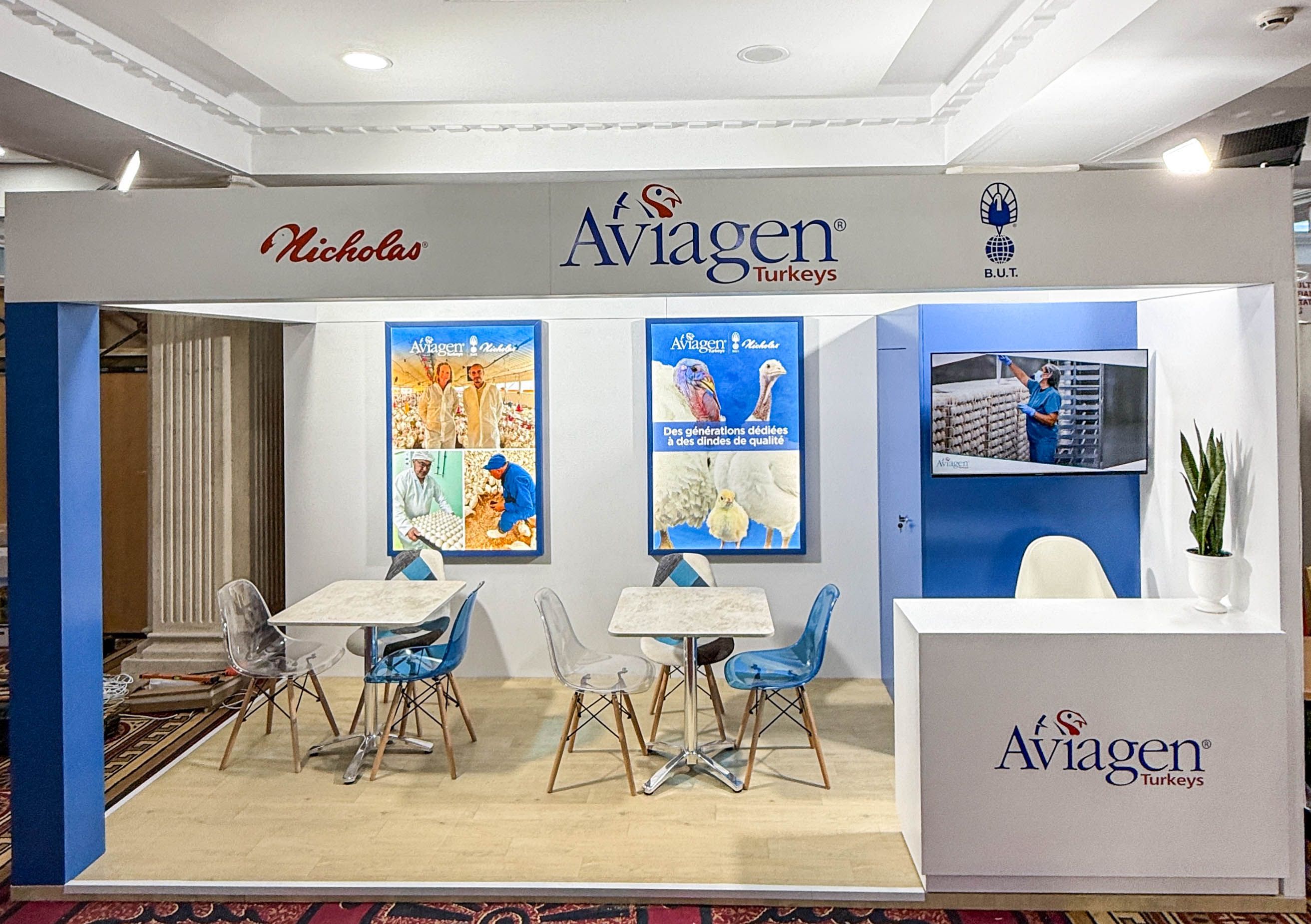
Economics across a multi-show programme. If your brand exhibits at six to ten shows per year across different markets, the economics of custom fabrication become difficult. A modular system built once can be reconfigured, rebranded, and deployed repeatedly. The cost-per-show of a modular programme is significantly lower than custom fabrication at every show.
Operational flexibility. Modular systems can be configured to different floor allocations — a 6m x 3m inline at one show, a 10m x 10m island at another, a 6m x 6m peninsula at a third — using the same core components. This flexibility makes them genuinely useful for brands with variable show schedules.
Speed of production and deployment. Custom stands require full fabrication cycles of six to twelve weeks. Modular systems can be configured and shipped in days once the components exist. For brands with compressed timelines or shows added late to the schedule, modular offers speed that custom cannot match.
Lower risk on first shows. For a brand exhibiting for the first time or entering a new market, a modular stand reduces the financial risk of the initial investment. If the show does not deliver the expected commercial return, the financial exposure is contained.
The trade-off: Modular systems constrain design. Even premium modular systems have a physical character that limits creative ambition. At competitive shows with sophisticated audiences, the difference between a custom stand and a high-end modular system is visible to the people you most need to impress.
The Decision Framework: Five Questions
Rather than starting with "custom or modular," start with these five questions. The answers will determine the right format for your specific situation.
1. How many shows are you doing per year, and are they all at the same size?
One to two major shows per year: custom is worth evaluating. The cost is concentrated but the commercial stakes justify it.
Five or more shows per year at variable sizes: modular almost always makes more economic sense. The reuse economics are compelling.
2. Who are your competitors on the show floor, and what are they investing?
If your direct competitors are building 200sqm custom island stands and you show up with a 36sqm modular system, you are communicating something about your relative market position. That signal reaches the buyers you are trying to impress.
Match the investment level of the competitive environment you are entering, or consciously choose to differentiate on a different dimension.
3. What does your brand actually need the stand to do?
Some brands need private meeting infrastructure for VIP client conversations. Others need open demonstration zones for product presentations to mixed audiences. Others need brand visibility and footfall capture above all else.
The functional requirements of your show strategy should drive the spatial design. If those requirements are complex or specific, custom is more likely to serve them. If the requirements are straightforward — display product, capture enquiries, have conversations — modular can serve them well.
4. What is your realistic budget?
If your total stand budget including freight and installation is under $20,000, custom fabrication is not realistic at a quality level worth pursuing. A well-executed modular stand within that budget will outperform a cheap custom attempt.
If your budget is $40,000 and above for a single show, custom becomes viable and worth exploring seriously.
5. How important is reusability to your programme?
If you want to invest in a stand asset that travels across multiple shows, modular is the logical choice. If each show is treated as its own investment with its own design brief, custom makes more sense.
The Hybrid Approach
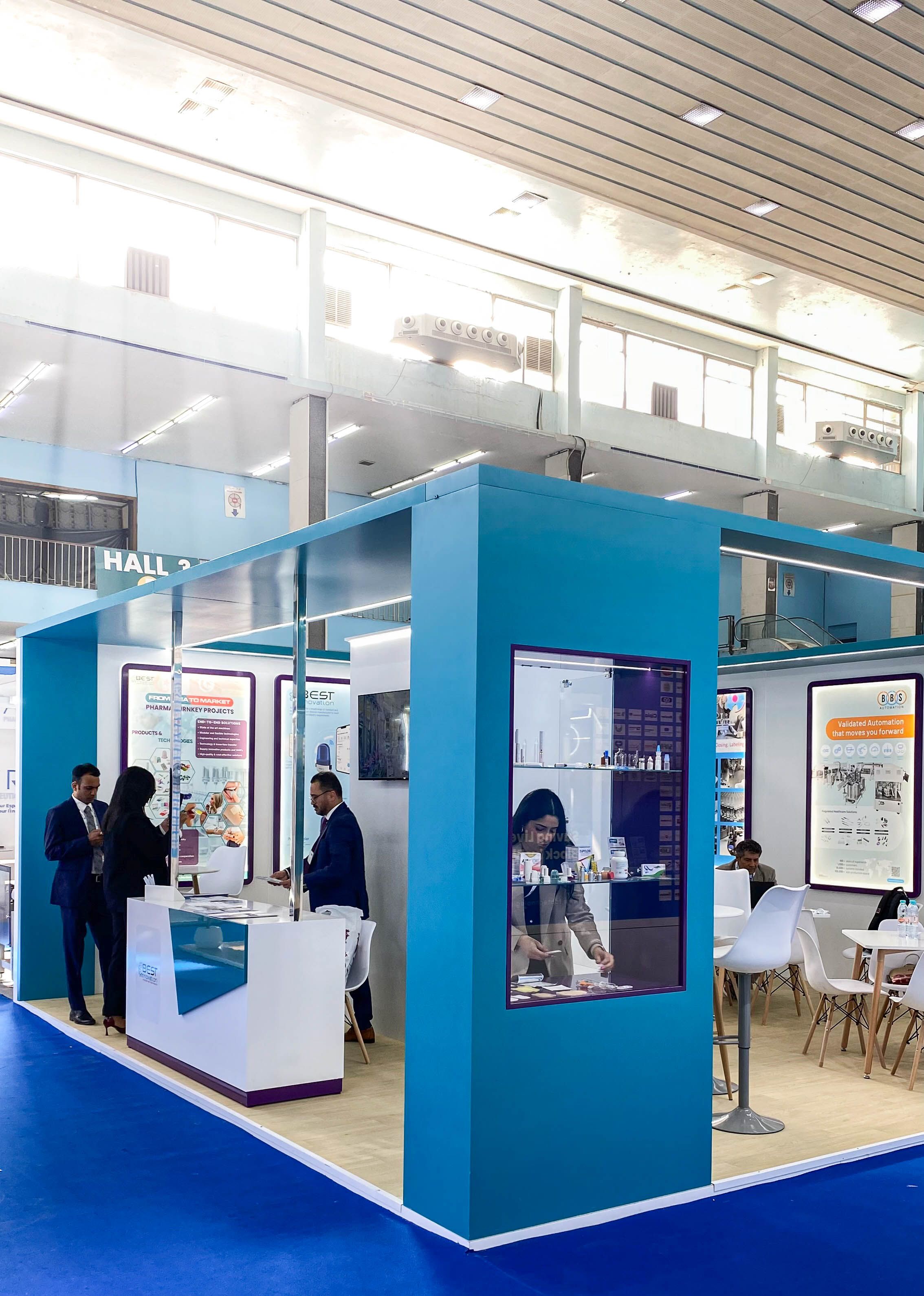
Many of EFFECT's most effective projects sit between the two poles. A modular structural frame with fully custom graphic treatments. A custom reception counter and meeting room combined with a modular display system. A premium modular system with bespoke flooring, custom lighting design, and high-end furniture.
The hybrid approach lets brands access the economics of modular reuse while investing custom fabrication budget where it has the most visual impact — the elements visitors notice first and remember longest.
Which Shows Justify Custom Investment
Not all shows are equal. The investment level of your stand should reflect the commercial importance of the show to your business.
Shows that typically justify custom investment:
- Your flagship annual show in your primary market
- Shows where you are launching a new product or entering a new market
- Events where your most important clients and prospects will be in the room
- Flagship international fairs in your category where competitors invest heavily
Shows where modular often makes more sense:
- Regional shows with smaller audiences and lower visitor quality
- New shows you are testing for the first time
- Markets where you are establishing presence rather than demonstrating market leadership
- Shows added late to the schedule with compressed timelines
Making the Decision
The right answer is not custom or modular. It is the format that best serves your brand's commercial objectives at your specific shows, within your realistic budget, across your annual exhibition programme.
A contractor who tells you every project needs custom fabrication is selling you fabrication. A contractor who tells you modular is always more practical is selling you a system. The right advice starts with your objectives, not with what a contractor has to sell.
Start with the five questions above. The format that answers them most honestly is the format for your brand.