The single biggest cause of disappointing exhibition stand projects is not contractor quality. It is brief quality.
A contractor who receives a vague brief cannot produce a precise proposal. They fill the gaps with assumptions — assumptions about your budget, your spatial priorities, your brand positioning, and what success looks like for your team on the show floor. When those assumptions are wrong, the proposal misses. And when a project is built on a misaligned proposal, the stand misses too.
The brief is the foundation of everything. This guide gives you the complete exhibition stand brief template that EFFECT uses with clients, with guidance on how to complete each section so your contractor has everything they need to produce a proposal that genuinely serves your brand.
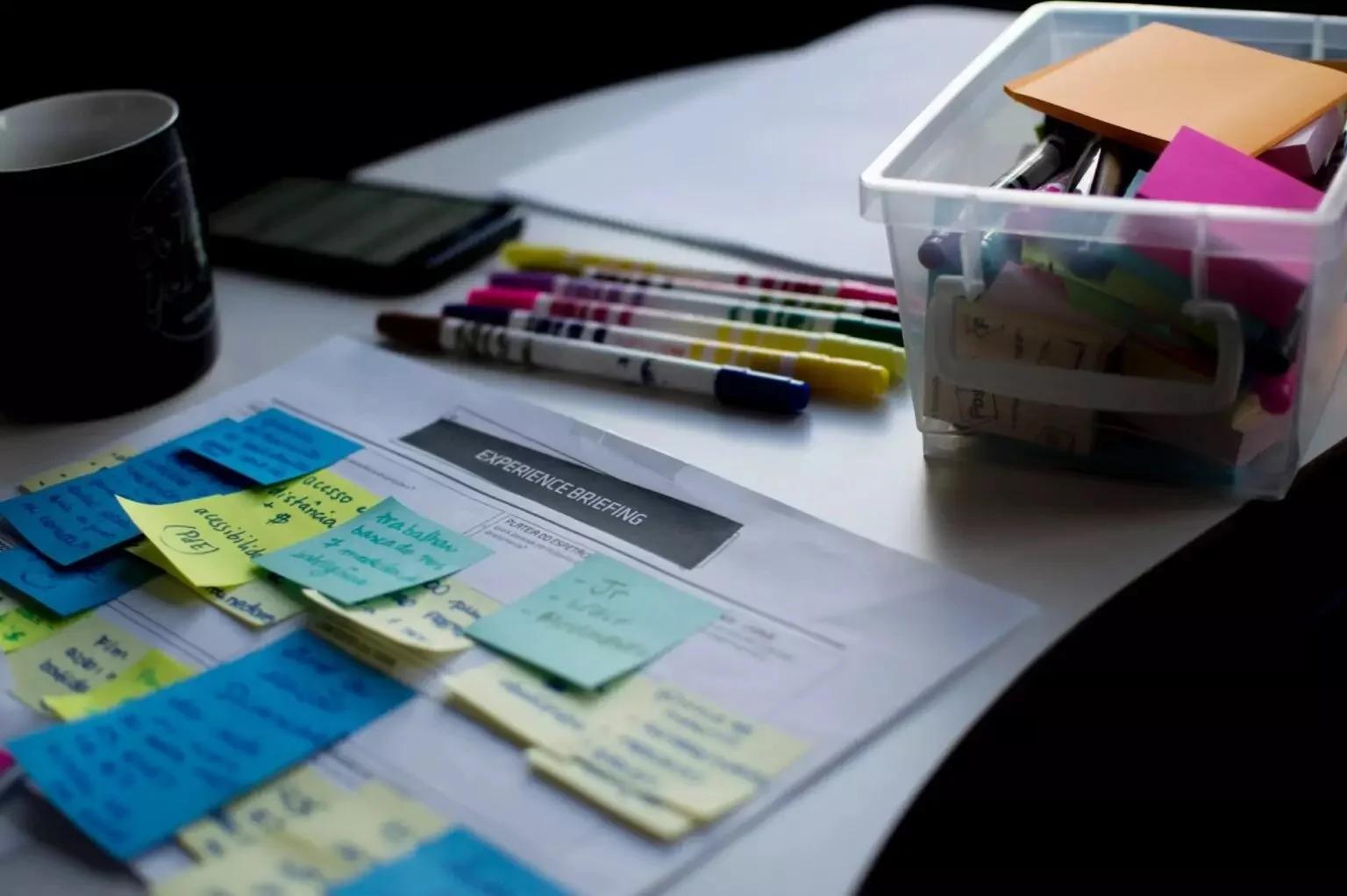
Why Most Briefs Fail
Most exhibition stand briefs fall into one of three failure modes.
Too short. A one-paragraph email with the show name, the sqm allocation, and a budget figure. This gives a contractor almost nothing to work with. The proposal that comes back will be generic.
Too vague. A brief that describes the desired outcome — "we want something impressive that reflects our brand" — without the specific information a contractor needs to design toward that outcome. Impressive is not a design brief.
Too focused on aesthetics. A brief that describes visual preferences — colours, materials, references from other stands — without explaining the functional requirements of the stand. What your stand needs to look like is secondary to what it needs to do.
The brief template below addresses all three failure modes.
The Exhibition Stand Brief Template
Section 1: Company and Brand Information
Company name:
The legal entity name and the trading name if different.
Brand guidelines:
Attach your full brand guidelines document. If you do not have a formal guidelines document, provide: primary and secondary brand colours with hex codes or Pantone references, approved typefaces, logo files in vector format, and any visual identity rules your designer must follow.
Brand positioning:
In two to three sentences, describe how your brand positions itself in the market. Are you a premium provider, a challenger brand, a technology innovator, a trusted institution? This shapes every design decision the contractor makes.
Key messages:
What are the two or three things you need every visitor to understand about your brand by the end of their time at your stand? These become the communication hierarchy that drives graphic content and spatial design.
Section 2: Show Information
Show name:
Full official name of the trade fair.
Show dates:
Opening and closing dates including setup and breakdown days if known.
Venue:
Full venue name, city, and country.
Hall and stand number:
If already confirmed by the organiser. If not yet confirmed, note that it is pending.
Floor plan:
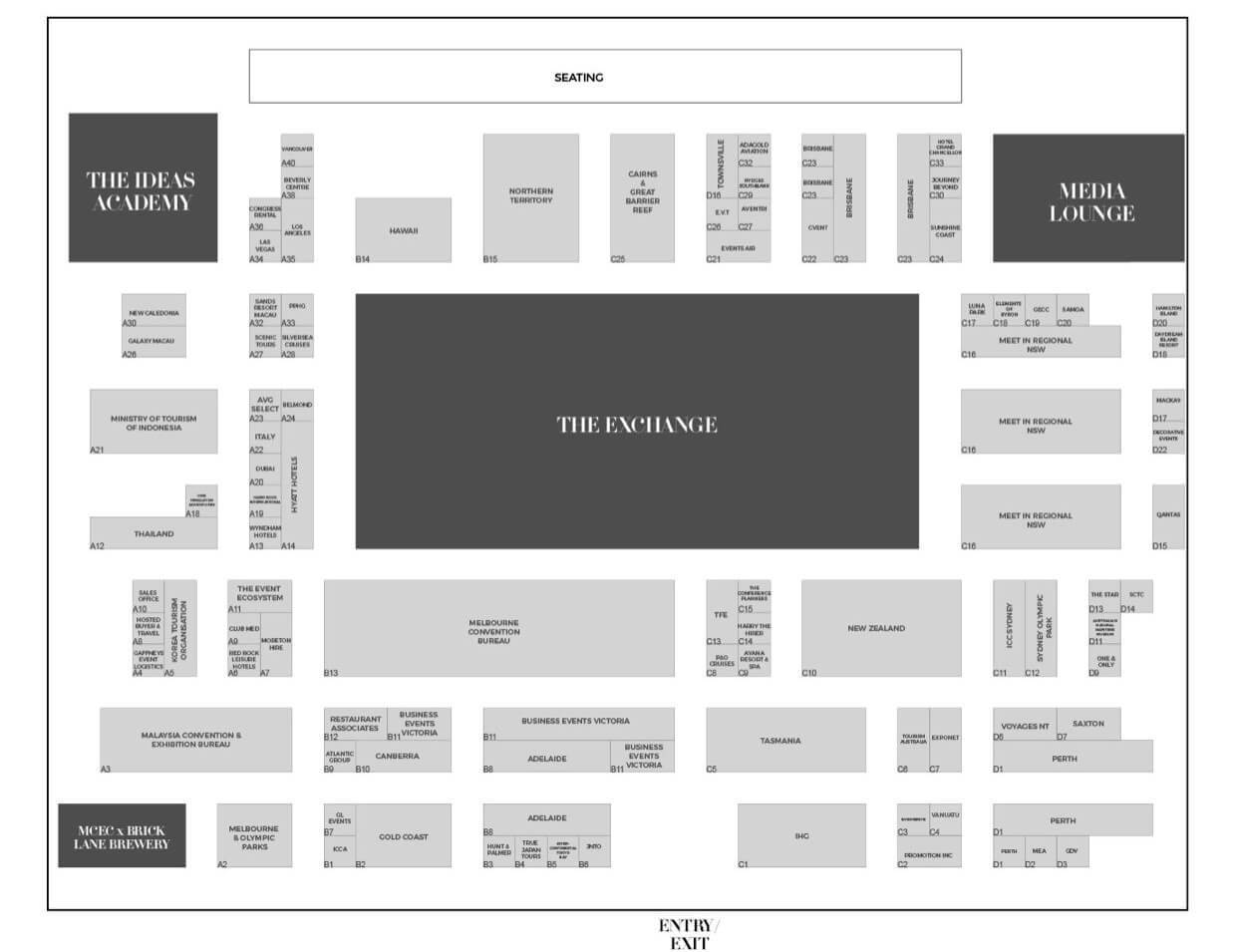
Attach the floor plan of your stand allocation if provided by the organiser. If not yet available, note the dimensions and shape of your allocation: inline, corner, peninsula, or island. Note any pillars, height restrictions, or neighbouring stands that may affect design.
Open sides:
How many sides of your stand are open to the aisle? An inline stand has one open side. A corner stand has two. A peninsula has three. An island stand has four. This is one of the most important design variables.
Height restrictions:
What is the maximum build height permitted in your hall? This varies by venue and hall and affects structural design significantly.
Section 3: Functional Requirements
This is the most important section of the brief. What does your stand need to do?
Reception and welcome area:
Do you need a staffed reception point where visitors are greeted? How many staff will be at reception simultaneously?
Product display:
What products or solutions are you displaying? Describe them physically — are they large pieces of hardware, small devices, software on screens, physical samples? How many products need to be displayed? Do any require special mounting, power, or environmental conditions?
Demonstration zones:
Do you need areas configured for live product demonstrations? How many simultaneous demonstrations? What is the audience size for each demonstration — one-to-one, small group of three to five, or larger audience?
Meeting spaces:
Do you need private meeting spaces for VIP conversations? How many simultaneous meetings? Do meetings need to be fully private (enclosed with a door) or semi-private (separated from the main floor visually but not acoustically)?
Storage:
Do you need lockable storage for materials, bags, equipment, or staff belongings? How much storage volume do you need approximately?
Hospitality:
Do you need a hospitality area with seating, coffee, refreshments? What capacity?
AV and technology:
List every screen, display, or technology element you need integrated: LED walls, monitors, tablets, interactive kiosks, video conferencing equipment, audio systems. Specify screen sizes where known.
Branding and graphics:
Are there specific graphic zones you know you need — a large brand wall, overhead signage, product feature graphics, a video wall? Note any mandatory graphic elements from your brand guidelines.
Section 4: Show Strategy and Commercial Objectives
What is the primary objective of your presence at this show?
Choose the description that best fits and add any additional context:
- Generate qualified leads for the sales pipeline
- Launch a new product or service
- Strengthen relationships with existing clients
- Enter a new market or geography
- Demonstrate thought leadership in your category
- Support a government or institutional mandate
Who is your target visitor?
Describe the specific profile of the visitor you most need to engage: their job title, their industry, their decision-making role, their level of familiarity with your brand. The more specific, the more useful.
What do you need visitors to do at your stand?
Watch a demonstration, sit in a meeting, collect a piece of content, register for something, have a conversation with a specific team member? The desired visitor behaviour shapes the spatial design.
How many visitors are you expecting to engage per day?
A rough estimate of expected footfall helps calibrate stand size, staffing zones, and flow design.
What does success look like at the end of the show?
Define it specifically: number of qualified conversations, leads captured, meetings completed, media coverage generated, or other measurable outcomes your team will report against.
Section 5: Budget
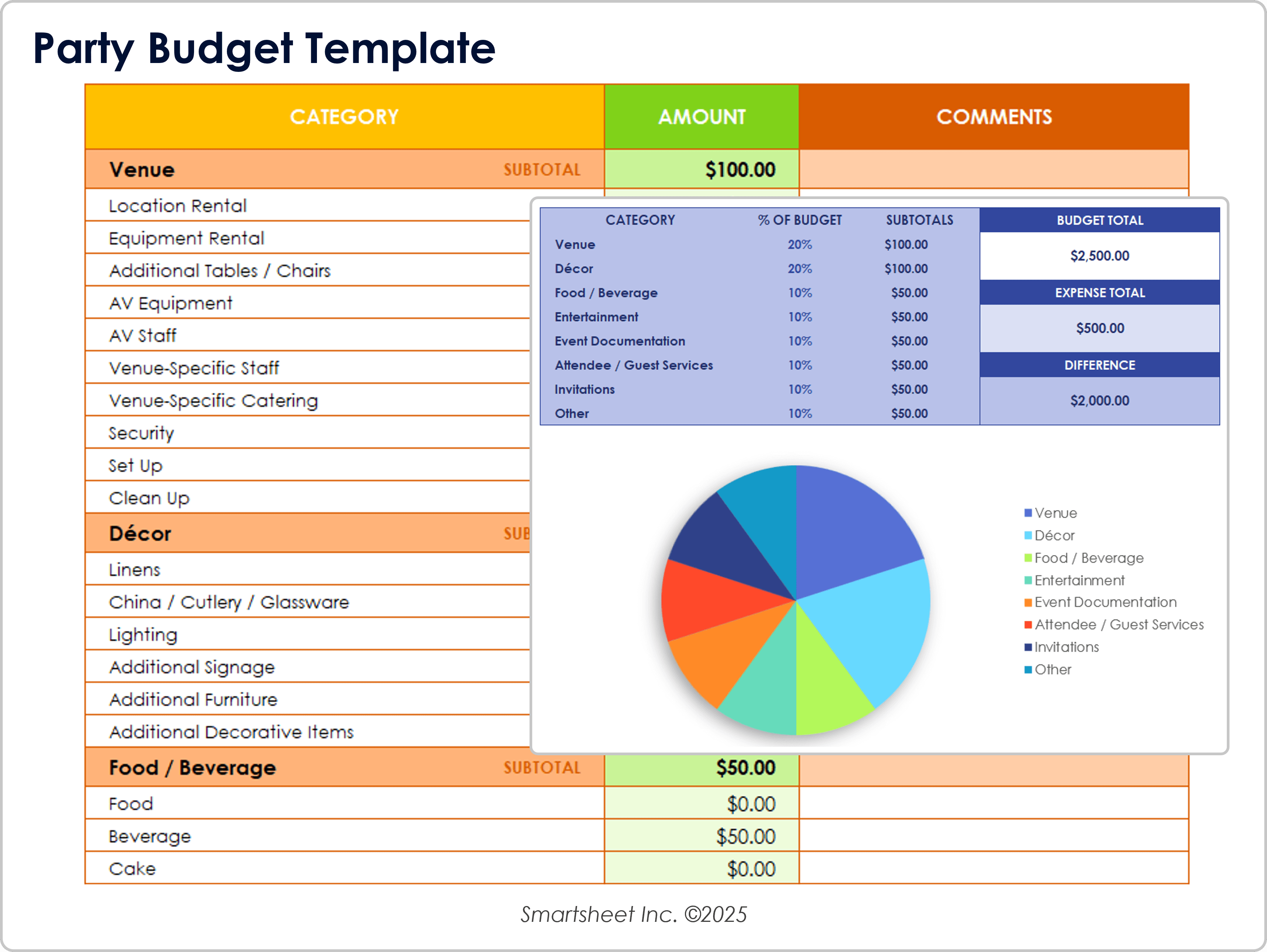
Total project budget:
State your total available budget for the stand project. Be specific. A contractor who does not know your budget cannot design to it — they will either over-specify and produce a proposal you cannot fund, or under-specify and propose something that does not meet your needs.
If you are not comfortable stating a specific figure, provide a range: for example, $30,000 to $50,000. A range is significantly more useful than no figure.
What the budget must include:
Specify which elements must be covered within the stated budget: design, fabrication, freight, customs, installation, on-site supervision, AV, graphics, furniture, dismantling, storage. The more clearly you define the scope, the more accurate the proposal.
Payment terms:
Note any procurement or finance requirements that affect payment scheduling — for example, if your organisation requires 60-day payment terms or has a specific purchase order process.
Section 6: Timeline
When do you need design concepts?
The date by which you need to see initial design concepts to give your team adequate time for internal review and approval.
When do you need final design approval?
The date by which design must be signed off to allow fabrication to begin on schedule.
What is your installation window?
The dates on which you have access to the venue for installation. This is provided by the show organiser and constrains when your contractor's team must arrive on-site.
Are there any internal deadlines that affect the timeline?
Board presentations, marketing campaign launches, or other internal events that require design assets or approvals by specific dates.
Section 7: References and Inspiration
Previous stands:
Attach photographs of your previous exhibition stands. Note what worked and what did not work from both a design and a functional perspective.
Competitor stands:
If you have photographs of competitor stands that represent the competitive environment you are operating in, attach them. Not to copy, but to calibrate.
Inspiration references:
Attach photographs of stands, retail environments, hospitality spaces, or architectural projects that capture the aesthetic direction you are aiming for. Note specifically what you like about each reference — the material, the spatial feel, the lighting, the graphic treatment, or the overall atmosphere.
What to avoid:
Are there design directions, materials, colours, or spatial concepts you explicitly do not want? Noting what you want to avoid is as useful as describing what you want.
Section 8: Logistics and Operational Information
Who is responsible for booking stand space with the organiser?
Has space already been booked, or does this need to be coordinated?
How will materials reach the venue?
Are you shipping from your home market, using local production in the show country, or a combination? Do you have an existing freight forwarding relationship, or do you need the contractor to manage logistics entirely?
What happens to the stand after the show?
Will components be stored for future use, returned to a central location, or disposed of? If the stand is intended to be reusable, note this as it affects design and material specification decisions.
Who are the key contacts on your side?
Name the project lead, the design approver, the budget holder, and the on-site lead if different from the project lead. Contractors work best when they know who to contact for each type of decision.
How to Use This Template
Complete every section before approaching any contractor. A brief that covers all eight sections gives a contractor everything they need to produce a proposal that is genuinely tailored to your situation rather than a generic template with your logo added.
Send the completed brief with your brand guidelines, floor plan, and any reference images attached. A contractor who receives this level of information can produce a first proposal that is already close to what you need — reducing revision cycles and compressing the timeline to design sign-off.
The time you invest in the brief is the most high-return activity in your entire exhibition stand project. Every hour spent sharpening the brief saves multiple hours in revision, misalignment, and rework later.
After the Brief: What to Expect from a Professional Contractor
A professional contractor who receives a complete brief should respond with:
A structured proposal that addresses your brief specifically — not a generic price list.
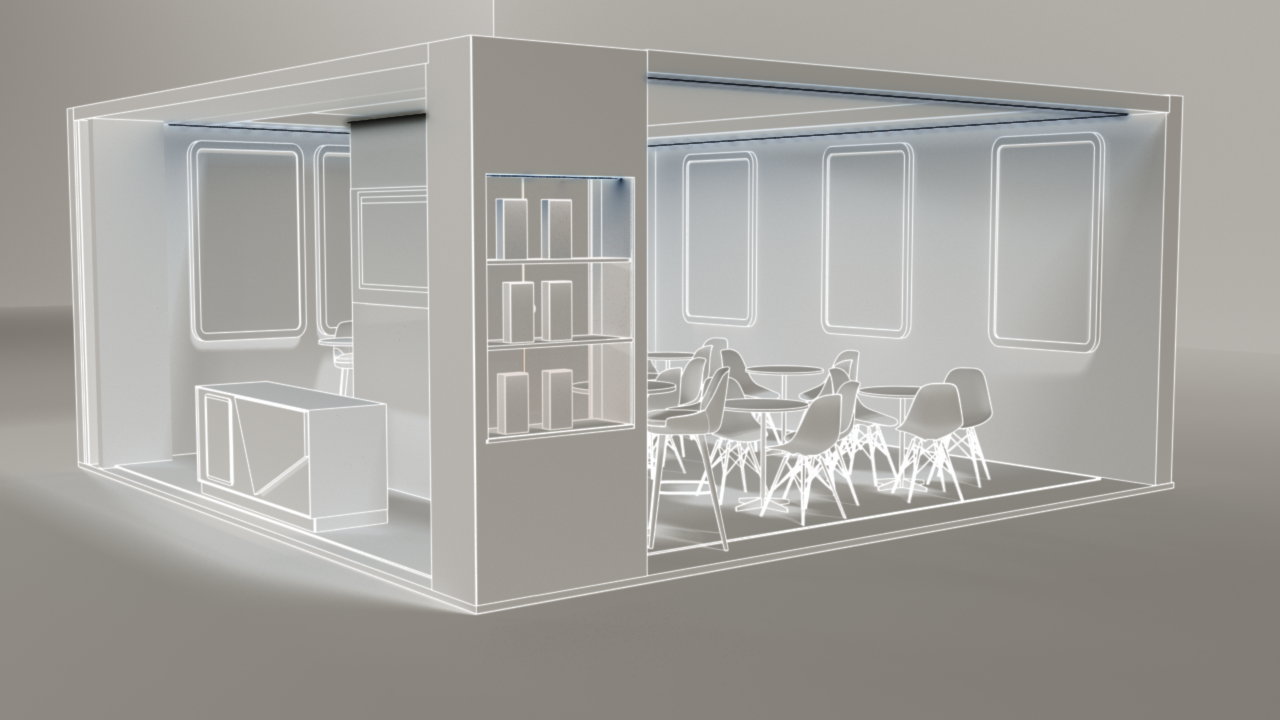
A 3D visualisation concept or a clear description of when one will be provided and what it will cover.
A detailed cost breakdown that itemises design, fabrication, logistics, AV, graphics, installation, and any exclusions.
A proposed timeline with key milestones mapped against your show date.
A named project manager who will be your single point of contact throughout.
If the proposal you receive does not address your brief specifically, does not provide cost transparency, or cannot name the person who will manage your project — brief a different contractor.