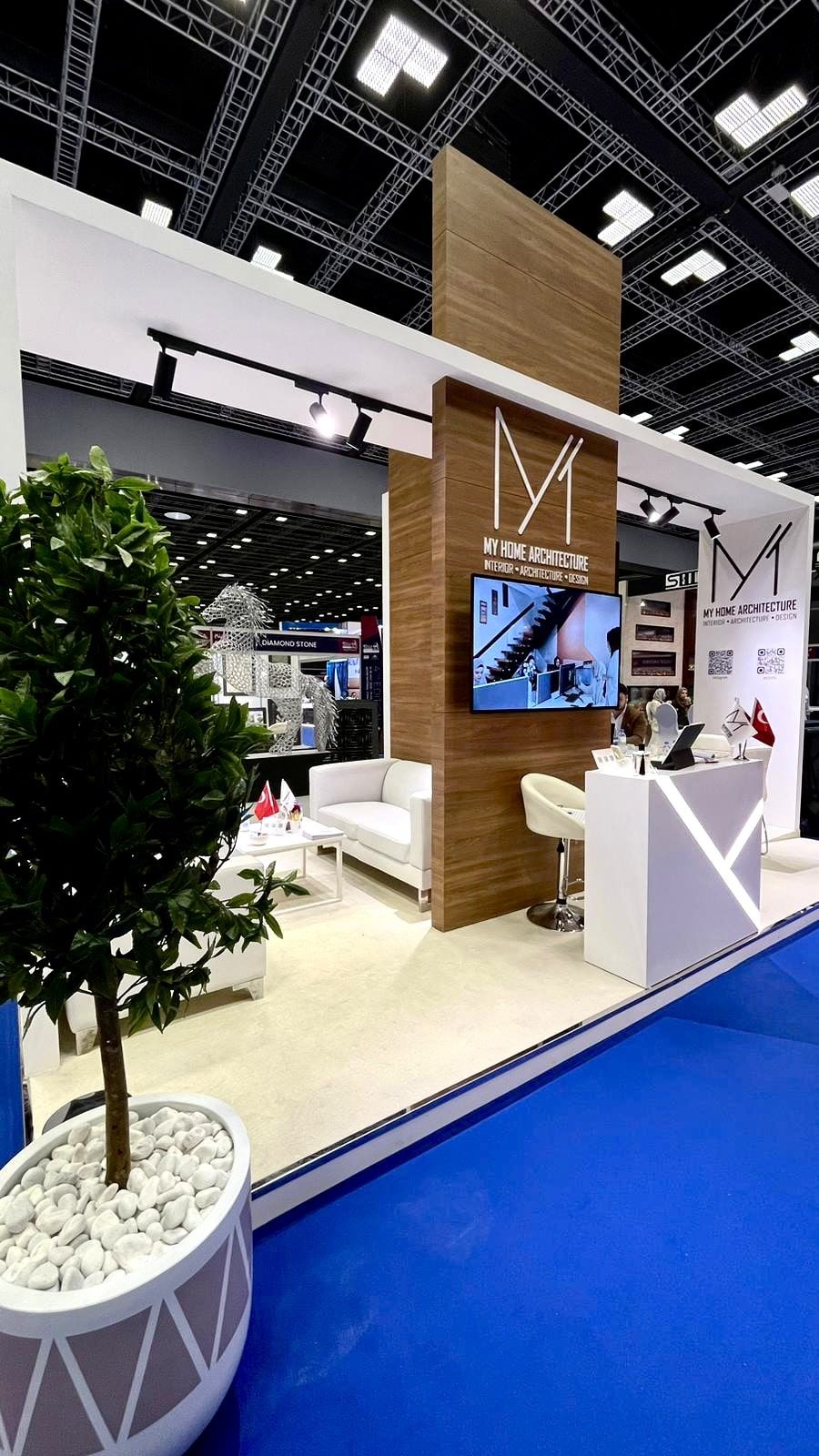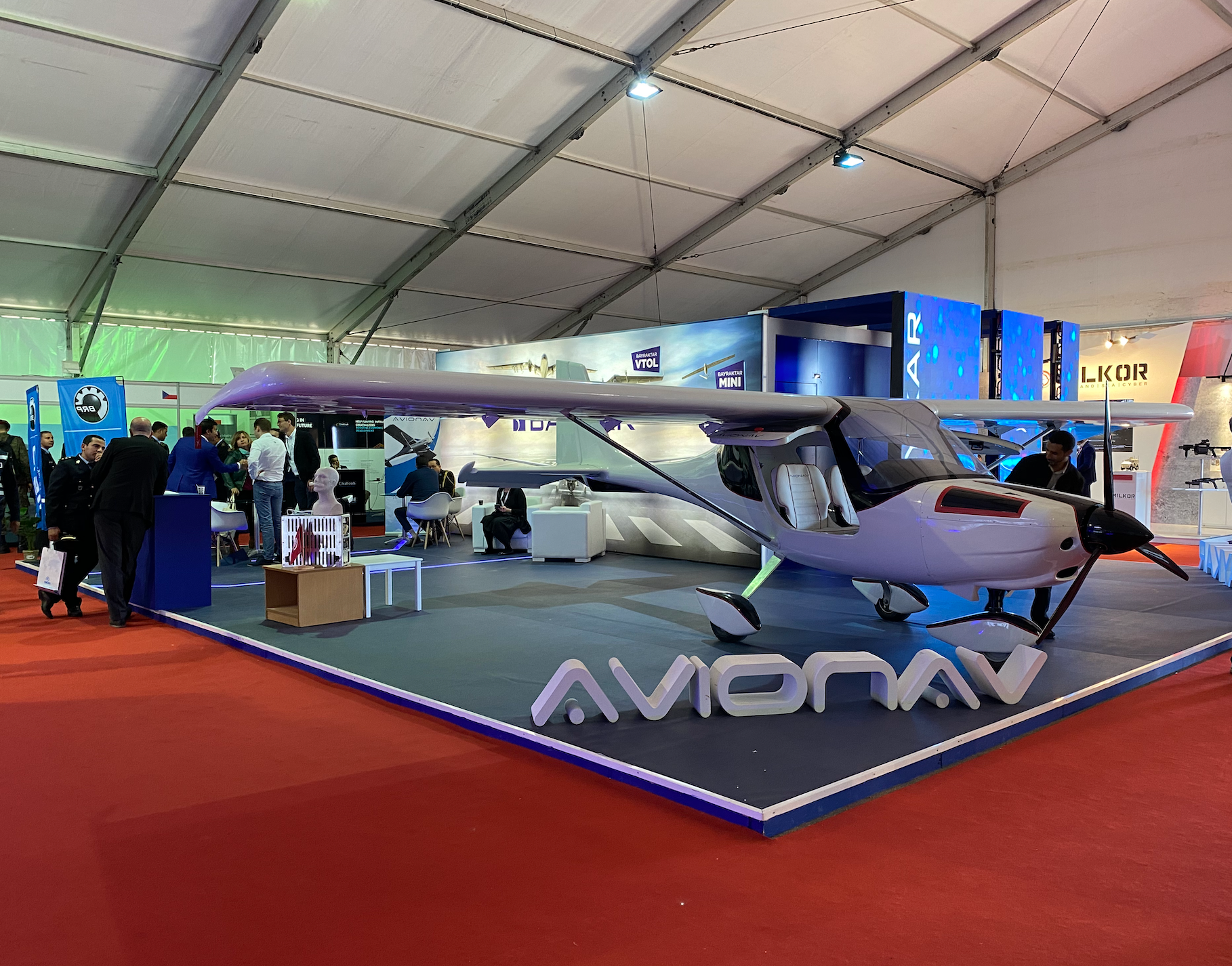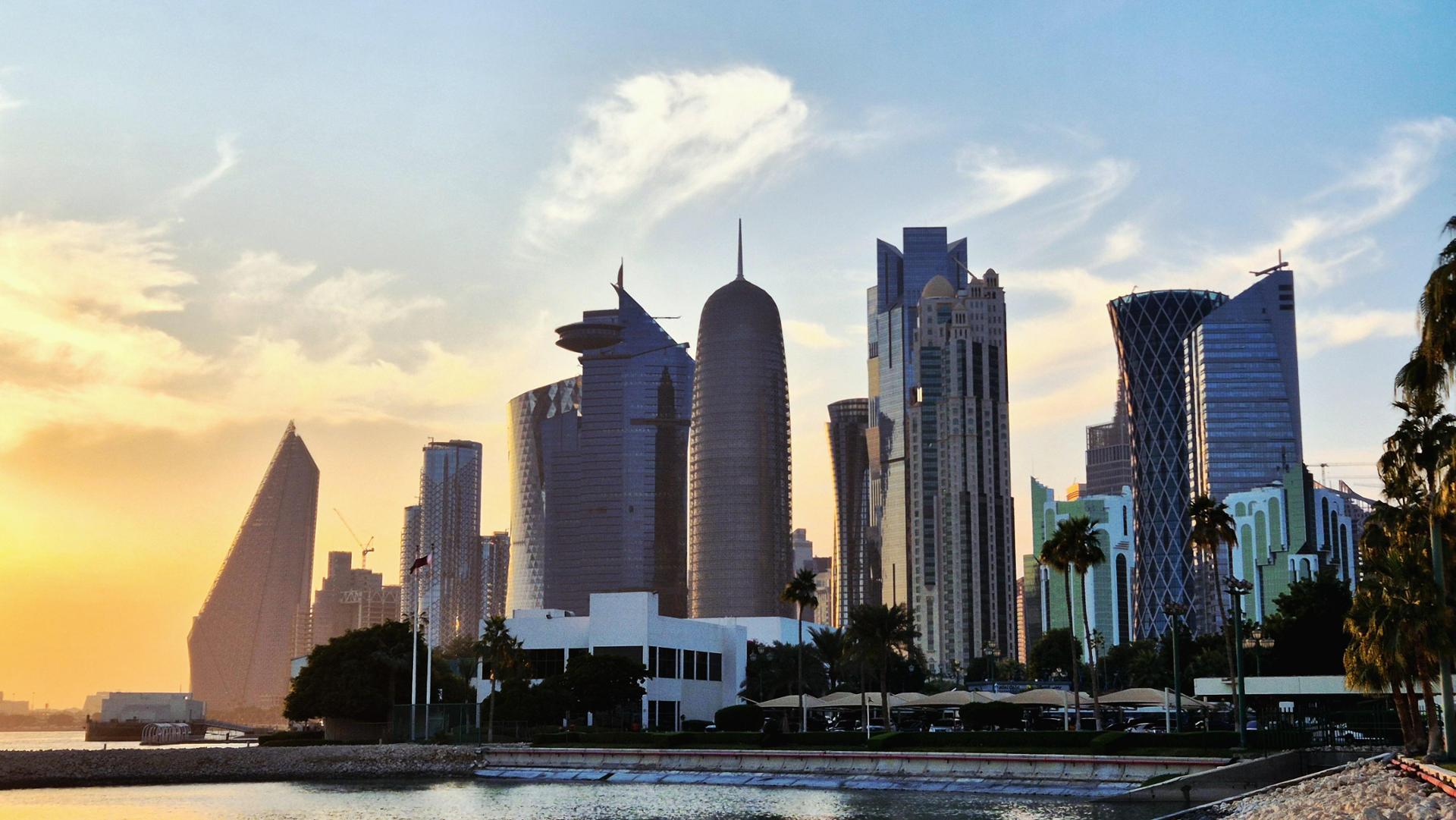
Qatar in July reaches 45 degrees Celsius in the shade. The humidity pushes the feels-like temperature past 55 degrees. Steel components left in direct sun become too hot to touch. Adhesives that cure at room temperature behave unpredictably. Timber expands. Electronic components require climate-controlled storage from the moment they leave the truck.
These are not theoretical concerns. They are the operational reality of building exhibition stands and event installations in Qatar and the Gulf during the summer months. Brands and contractors who have not worked in these conditions before consistently underestimate what they require.
EFFECT has operated from Doha since the company's founding. We have installed stands and managed events in Qatar across every season, in temporary venues, in partially air-conditioned construction zones, and in world-class facilities like the Doha Exhibition and Convention Center. This guide shares what we have learned.
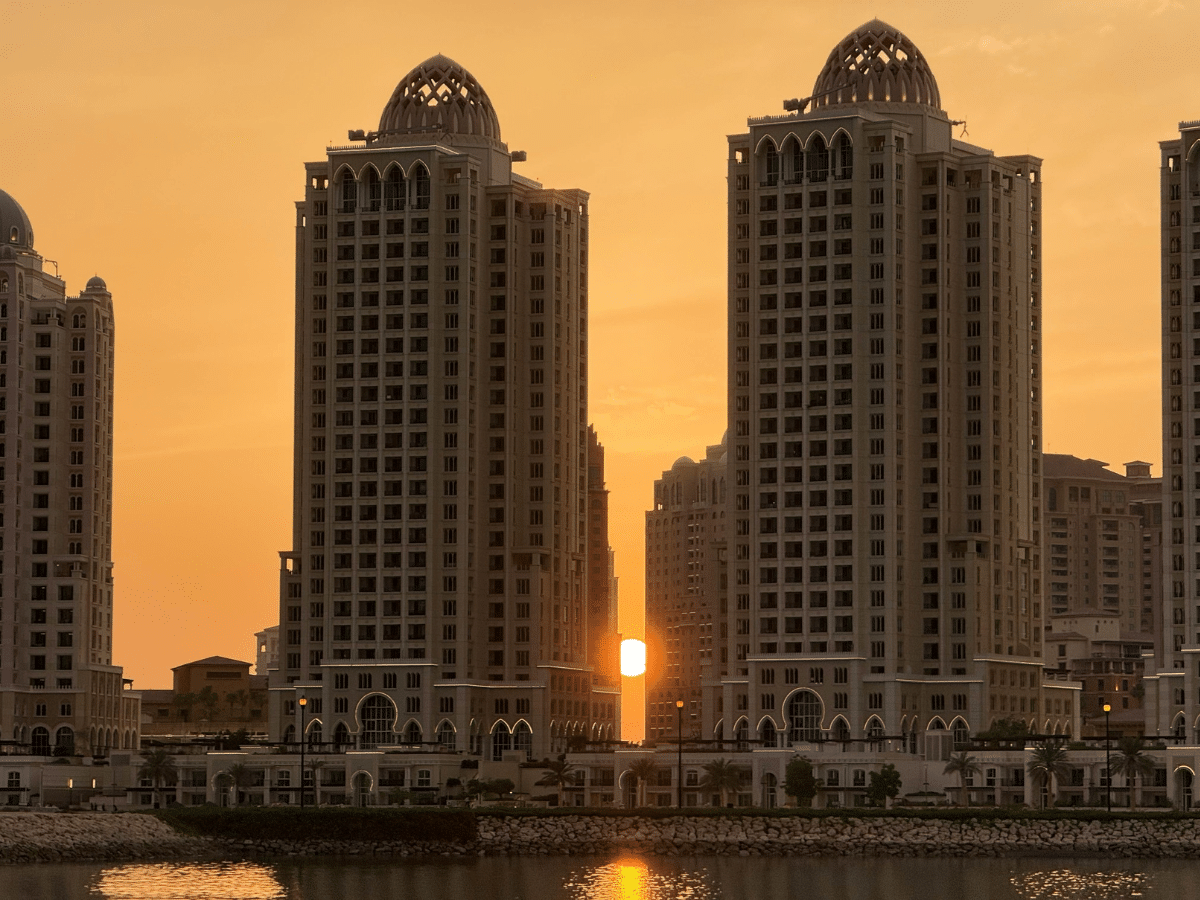
Why Gulf Exhibition Logistics Are Fundamentally Different
The Gulf is not just a hot version of a European exhibition market. The heat creates a completely different operational environment that affects every stage of the production and installation process.
Material behaviour changes in extreme heat. Timber warps when exposed to direct sun and dramatic temperature differentials between outdoor storage and air-conditioned interiors. Acrylic panels expand and can crack if fitted with insufficient tolerance for thermal movement. Paint and lacquer surfaces can blister if components are transported in unventilated containers during peak summer temperatures. Adhesives, sealants, and joining compounds all have operating temperature ranges that Qatar's summer exceeds.
Installation windows are compressed by heat. Outdoor installation work in Qatar between June and September is practically limited to early morning and late evening hours. The midday heat is not just uncomfortable. It is dangerous for installation crews working with physical components, and it degrades the quality of work that can be done safely. A contractor planning an outdoor installation in Qatar in August without accounting for heat-adjusted working hours will miss deadlines.
Logistics infrastructure behaves differently. Trucks sitting in port or in freight yards in 45-degree heat become temporary ovens for sensitive materials. Climate-controlled freight is significantly more expensive in the Gulf than in Europe but is not optional for materials that cannot tolerate extreme heat. Understanding which components require climate-controlled logistics and which can tolerate ambient temperature transport is a cost and quality decision that needs to be made before freight is booked.
Crew welfare requirements are non-negotiable. Qatar's labour regulations around outdoor working during extreme heat are among the most developed in the region, and rightly so. Installation crews must have access to shade, rest periods, hydration, and climate-controlled rest areas. Projects that do not plan for crew welfare compliance will encounter regulatory intervention. Projects that do plan for it build the cost into their timeline and budget from the start.
The Qatar Exhibition Calendar and Heat Seasons
Understanding the Gulf exhibition calendar is essential for planning logistics correctly.
October to April: Peak exhibition season. The vast majority of Qatar's major exhibitions take place during the cooler months. Cityscape Qatar, Doha MICE, Project Qatar, the Qatar Motor Show, and most government-commissioned events happen within this window. Temperatures range from comfortable to mild, and installation conditions are broadly comparable to a European spring or autumn. This is when the Doha Exhibition and Convention Center operates at full capacity and when international exhibitors are most actively present.
May to September: Summer season. Exhibition activity drops significantly during the Gulf summer. The few events that do take place are typically indoor, in fully air-conditioned venues, with installation work managed to avoid peak heat hours. International exhibitors are rare during this period. Local and regional events that do occur require specific operational planning for heat conditions.
The shoulder periods: April to May and September to October. These transitional months combine increasing or decreasing heat with active exhibition schedules. April events can still require heat management planning. October events may begin before temperatures have fully dropped to comfortable installation levels.
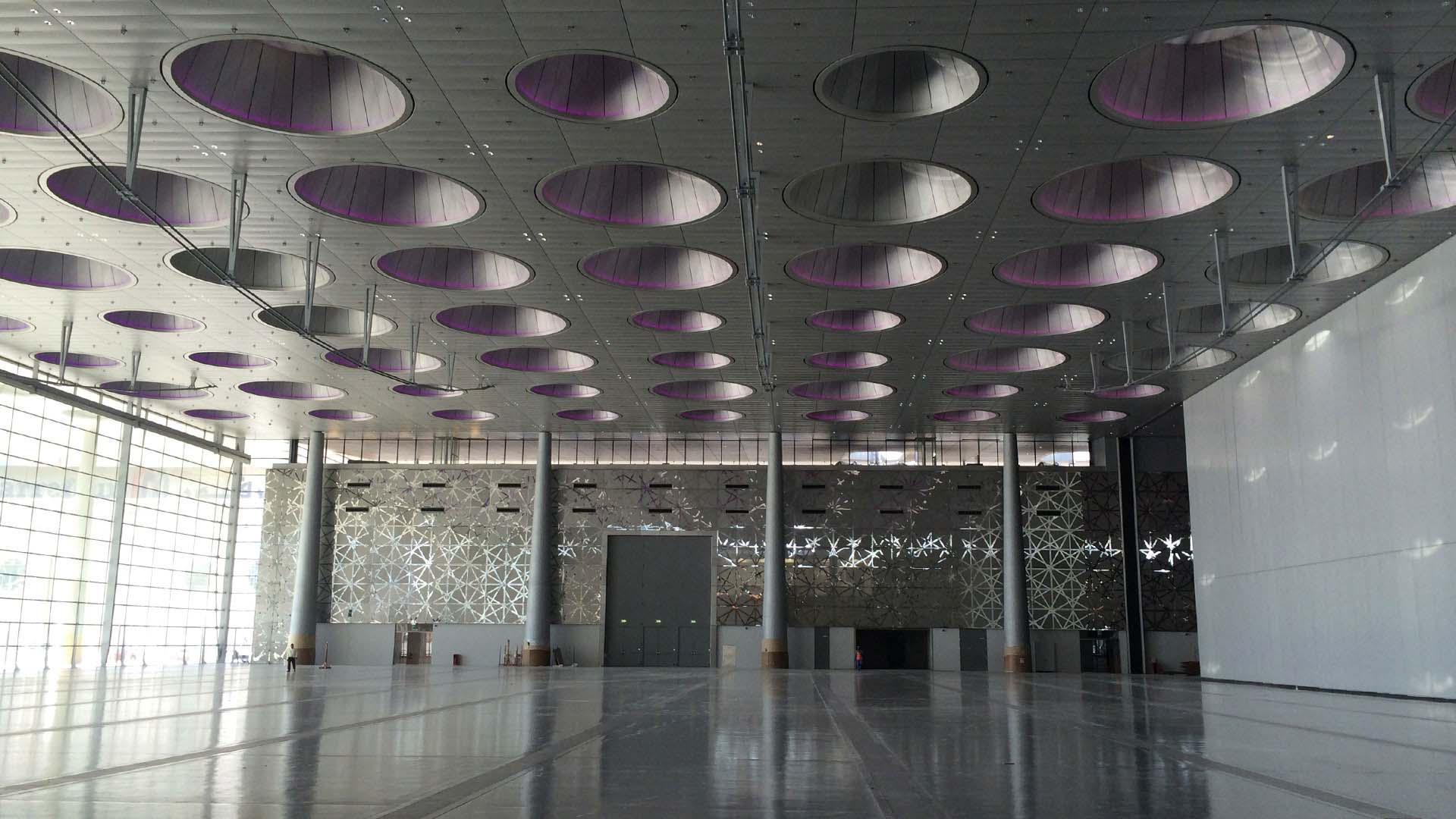
Venue Infrastructure in Qatar
Qatar's investment in exhibition and event infrastructure since 2010 has created world-class venues that significantly reduce the operational challenge of the Gulf heat for indoor events.
Doha Exhibition and Convention Center (DECC). Qatar's flagship venue, opened in 2015, is fully air-conditioned throughout its exhibition halls, pre-function areas, and loading infrastructure. Climate control at DECC is reliable and consistent, which means materials and components can be transported into the venue and stored at acceptable temperatures from arrival. Installation crews work in a controlled environment throughout.
Qatar National Convention Center (QNCC). The purpose-built convention center adjacent to Education City is similarly well-equipped for climate-controlled operations. QNCC hosts conferences and events throughout the year, with full HVAC infrastructure throughout.
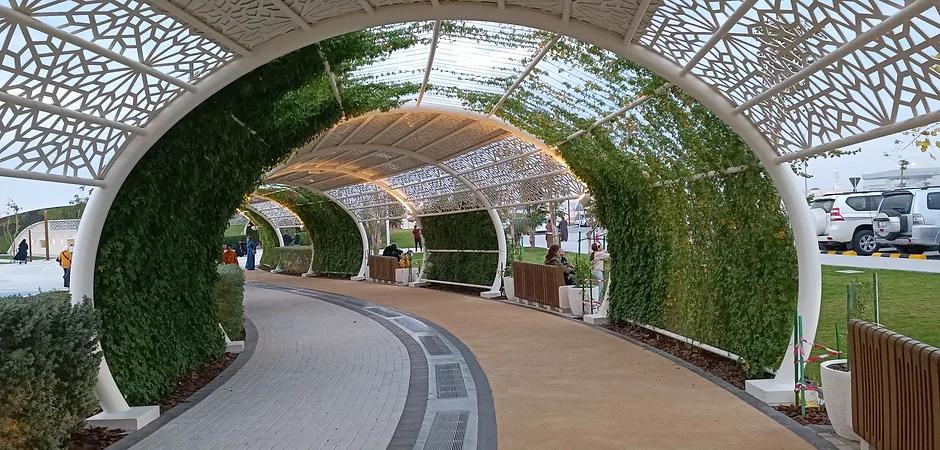
Temporary and outdoor venues. Qatar has a significant tradition of outdoor and temporary venue events, particularly around major sporting and cultural occasions. Installation in temporary structures presents the full challenge of Gulf heat management. Temporary venues may have partial air conditioning, intermittent power, or no climate control at all during the installation phase. These projects require the most detailed heat management planning.
Material Specification for Gulf Climates
The material choices made during the design phase of a stand project have direct consequences for how the stand performs in Gulf conditions.
Timber and wood-based materials. Solid timber and MDF are vulnerable to humidity cycling when transported between exterior temperatures and air-conditioned interiors. Where timber is specified for Gulf projects, EFFECT uses kiln-dried materials with appropriate moisture content, sealed surfaces to reduce moisture exchange, and designs that allow for thermal movement in joinery.
Metals. Steel and aluminium have high thermal expansion coefficients, which matters for large structural elements exposed to direct sun before installation is complete. EFFECT factors thermal expansion tolerances into structural design for outdoor or partially outdoor installations.
Plastics and acrylics. Acrylic panels specified for illuminated graphic elements or architectural features require careful tolerance allowances in Gulf climates. Panels that fit precisely in a European production facility may be too tight or too loose by the time they are installed in a Qatar venue where the ambient temperature is 30 degrees higher.
Adhesives and sealants. Many construction adhesives have operating temperature ranges that top out below Qatar's summer ambient temperatures. EFFECT specifies mechanical fixings wherever possible for Gulf projects and uses high-temperature formulations for adhesive applications that cannot be replaced with mechanical alternatives.
Graphics and vinyl. Large-format printed graphics and vinyl applications require temperature-appropriate installation conditions. Vinyl applied at temperatures outside its specified range can bubble, peel, or fail to bond correctly. EFFECT schedules graphic installation to take place in climate-controlled conditions and uses high-temperature formulations for applications in venues where temperature control is uncertain.
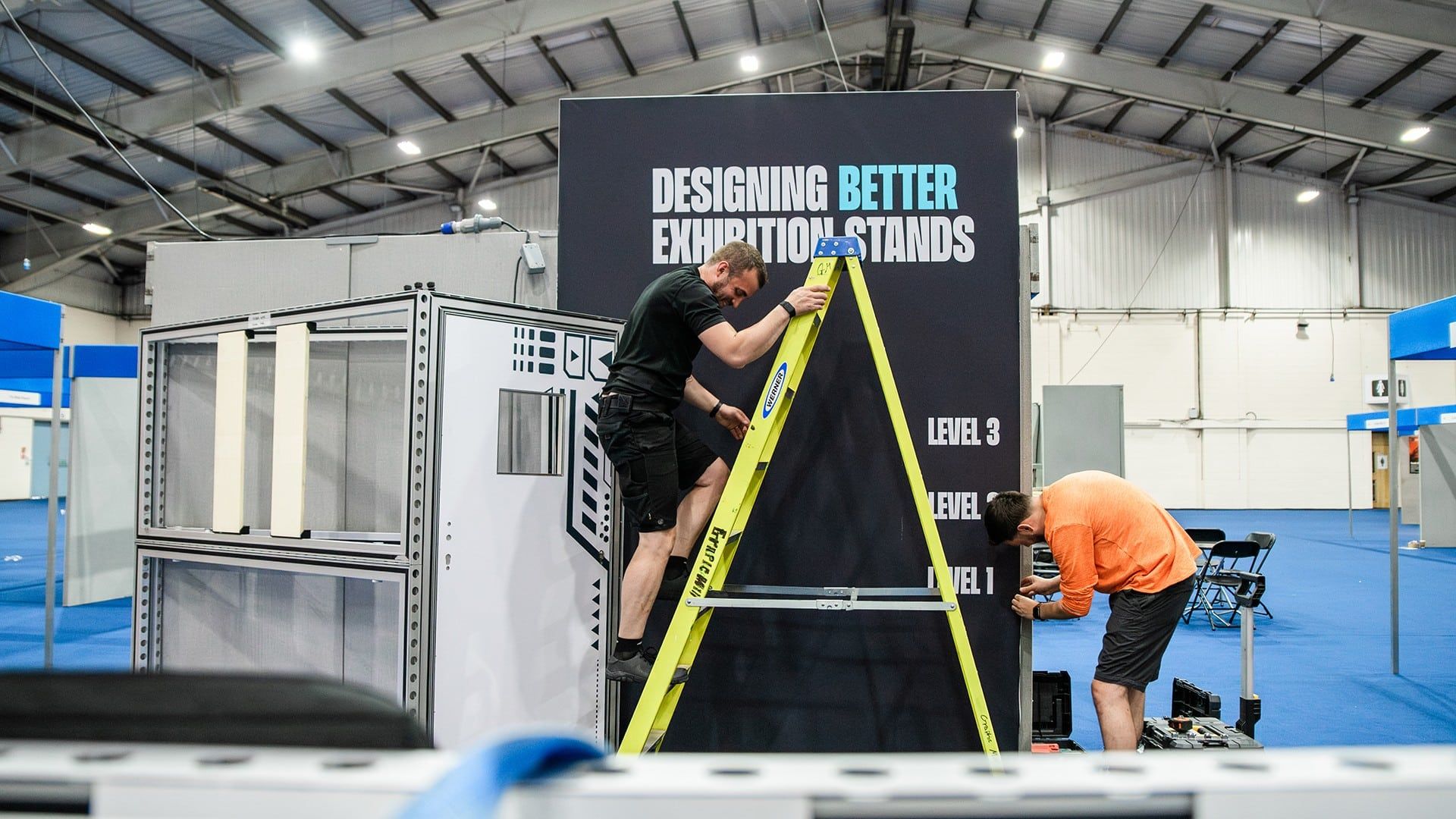
Freight and Customs in Qatar
Qatar's customs infrastructure for exhibition materials is well-developed but requires specific knowledge to navigate efficiently.
ATA Carnet. Exhibition materials entering Qatar for trade shows qualify for temporary importation under the ATA Carnet system, which allows goods to enter and exit without paying full import duties. Qatar is a member of the ATA Carnet system, and EFFECT manages this documentation on behalf of clients as a standard part of international project delivery.
Port of Hamad. Qatar's primary deep-water port, Hamad Port, opened in 2016 and has significantly improved the logistics infrastructure for international freight into Qatar. The port has dedicated exhibition freight handling capability and bonded warehouse facilities. Transit times from European ports to Hamad Port range from 14 to 21 days depending on routing.
Air freight. For time-sensitive components or smaller shipments, Hamad International Airport handles significant freight volumes with efficient customs processing. Air freight is substantially more expensive than sea freight but offers transit times of one to three days from most European and Asian origins.
Local freight forwarding. EFFECT maintains established relationships with freight forwarders based in Doha with direct experience of exhibition logistics into Qatari venues. Local knowledge is particularly valuable for port clearance, ATA Carnet management, and last-mile delivery to venue loading bays.
Prohibited and restricted materials. Qatar has specific restrictions on certain materials including some wood treatments, chemical adhesives, and materials with country-of-origin restrictions. EFFECT reviews material specifications against Qatari import regulations before freight is booked to avoid delays at customs.
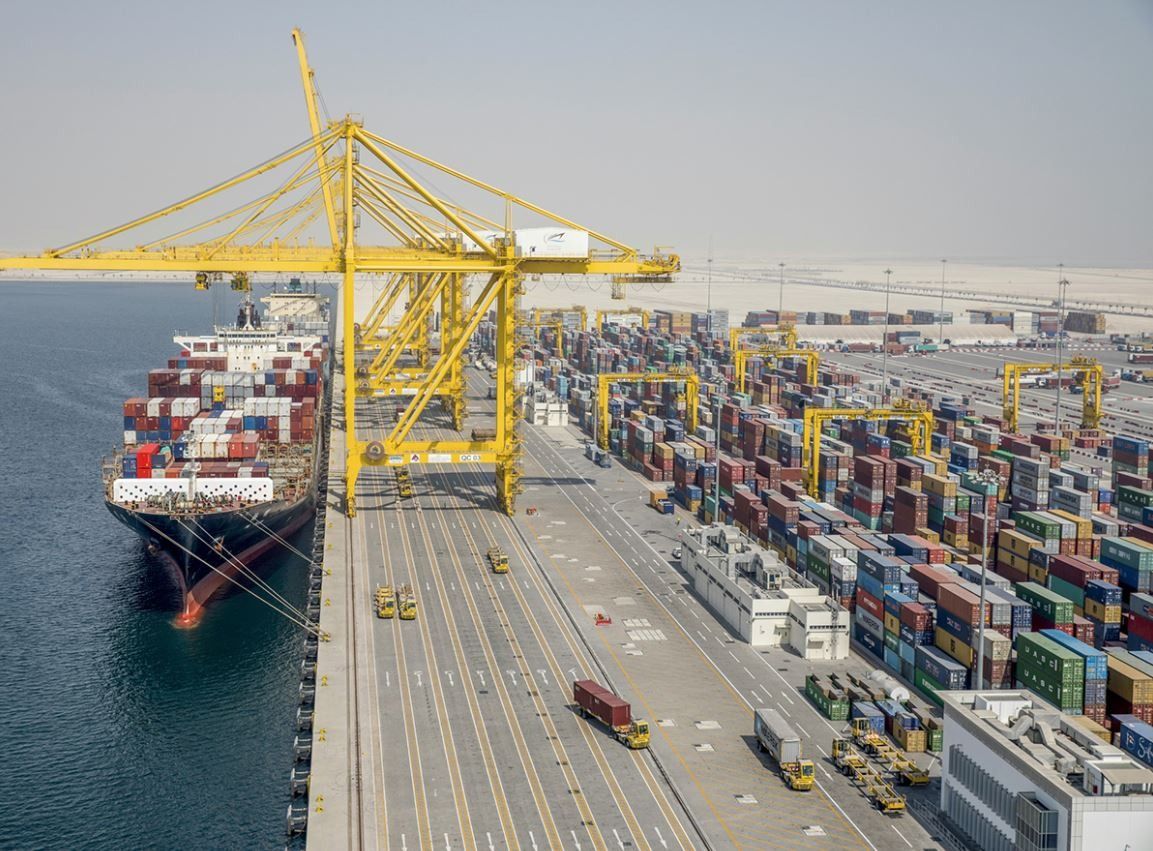
Installation Management in the Gulf
The on-site installation phase requires specific management practices in Gulf conditions that differ significantly from European or North African installation protocols.
Working hours planning. During summer months, EFFECT schedules outdoor installation work before 10:00 and after 16:00 to avoid peak heat hours. For indoor venues with full air conditioning, working hours can be extended, but crew welfare checks and mandatory rest periods are maintained regardless of indoor conditions.
Tool and equipment management. Power tools and hand tools left in direct sun reach temperatures that make them unusable and can cause burns to operators. EFFECT's site supervisors manage tool storage in shaded or air-conditioned areas throughout the installation period.
Adhesive and material curing. Many materials used in stand construction have curing, drying, or setting times that are temperature-dependent. In air-conditioned venues, these times are broadly as specified by the manufacturer. In partially climate-controlled environments, EFFECT adjusts sequencing to account for accelerated or unpredictable curing behaviour.
Water and electrolyte management. Installation crews require significantly more hydration in Gulf conditions than in temperate climates. EFFECT provides bottled water and electrolyte supplements to all crew throughout installation periods in Qatar and the Gulf, regardless of venue temperature control.
Pre-fabrication strategy. Where possible, EFFECT increases the proportion of stand elements that are pre-fabricated and pre-finished in our production facility before shipping to Qatar. Pre-fabrication in controlled factory conditions reduces the amount of work that needs to be done on-site in potentially challenging temperature environments.
Event Management in Gulf Heat: Outdoor and Semi-Outdoor Events
Qatar's event calendar includes significant outdoor and semi-outdoor events, particularly around national celebrations, sporting events, and cultural occasions. Managing these events in Gulf heat requires specific planning beyond what an exhibition stand installation involves.
Temporary cooling infrastructure. Large outdoor events in Qatar typically require temporary air conditioning or misting systems to maintain acceptable conditions for guests. EFFECT works with specialist cooling infrastructure suppliers to specify and install temporary climate control appropriate for outdoor event environments.
Guest welfare planning. For outdoor events in Qatar, guest welfare planning is part of the event design. Shaded rest areas, hydration stations, cooling zones, and medical support are not optional elements. They are required for any event where guests will be outdoors for extended periods during warm months.
Technical equipment protection. Audio, lighting, and video equipment specified for outdoor events in Qatar requires weatherproofing appropriate for high-humidity and high-temperature conditions. Standard European AV equipment specifications may not be adequate for extended outdoor operation in Gulf summer conditions. EFFECT specifies AV equipment with appropriate IP ratings and operating temperature ranges for Gulf outdoor environments.
Power infrastructure. Qatar's electrical infrastructure is reliable, but temporary outdoor events often require generator power. Generators in high-temperature environments require additional cooling and maintenance considerations. EFFECT manages power infrastructure planning as part of event production for outdoor events.
What to Ask Your Contractor About Gulf Experience
If you are briefing a contractor for an exhibition stand or event project in Qatar or the Gulf, these questions will reveal whether they have genuine experience in the market.
Have you installed stands in Qatar before, and in which venues? A contractor with genuine Gulf experience will answer with specific venues, show names, and years.
How do you manage heat during installation? A contractor with real experience will describe specific protocols for working hour management, crew welfare, material storage, and heat-sensitive component handling. A contractor without it will give you a generic answer about "following local regulations."
How do you handle ATA Carnet documentation for Qatar? Customs documentation for Gulf markets has specific requirements. An experienced contractor will describe their process in detail.
How do you specify materials differently for Gulf projects? A contractor with genuine design and production experience in Gulf markets will be able to describe specific material choices they make for heat tolerance, humidity management, and thermal expansion.
What is your freight routing to Doha, and what transit time should I plan for? A contractor who regularly ships to Qatar will answer with specific routing options, transit times, and port or customs considerations.
The answers to these questions are the clearest indicator of whether a contractor has the specific experience your Gulf project requires.
Planning Your Qatar Exhibition Stand Project
Qatar's exhibition market is one of the most commercially significant in the Middle East. The country's ongoing infrastructure investment, its active government trade promotion calendar, and its position as a hub for regional business make it a priority market for brands operating across the Gulf, North Africa, and beyond.
Executing successfully in this market requires a contractor with genuine operational knowledge of Gulf conditions, not just general international exhibition experience. The heat, the logistics infrastructure, the customs requirements, and the installation environment in Qatar are specific. The experience required to manage them is specific too.
EFFECT has been based in Doha since the company's founding. Qatar is not a market we manage from a distance. It is our home market, and we bring that knowledge to every project we deliver in the region.
Contact EFFECT to discuss your Qatar or Gulf exhibition stand project.