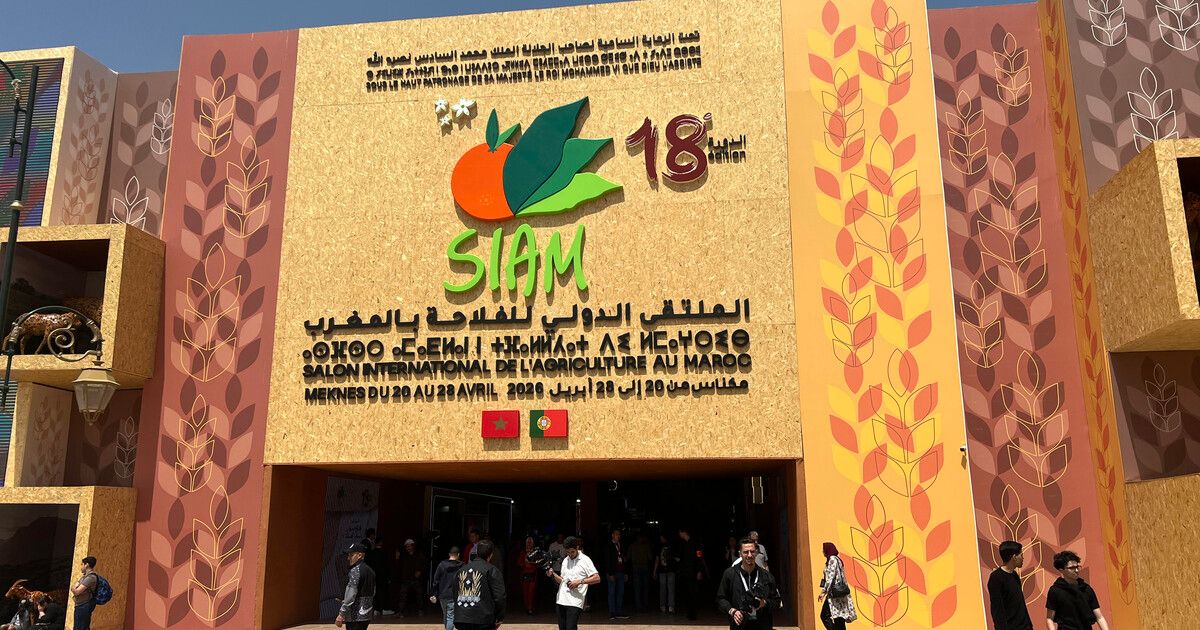
SIAM is not simply Morocco's largest trade show. It is one of the most significant agricultural events on the African continent, consistently attracting more than one million visitors across its five-day run in Meknès each spring. For agricultural equipment manufacturers, agri-food processors, irrigation technology providers, seed and fertiliser companies, and agribusiness brands targeting North African and Sub-Saharan African markets, SIAM delivers an audience density and commercial quality that few African trade events can match.
The show's political and commercial weight is equally distinctive. SIAM regularly attracts heads of state and government ministers from across Africa, making it a forum for agricultural policy and investment decisions as much as a commercial trade fair. International brands that exhibit at SIAM are not just reaching Moroccan buyers. They are presenting to an audience that shapes agricultural policy and procurement across the continent.
This guide covers everything you need to plan and execute a premium exhibition stand at SIAM Morocco.
Why SIAM Sets the Standard for African Agricultural Exhibitions
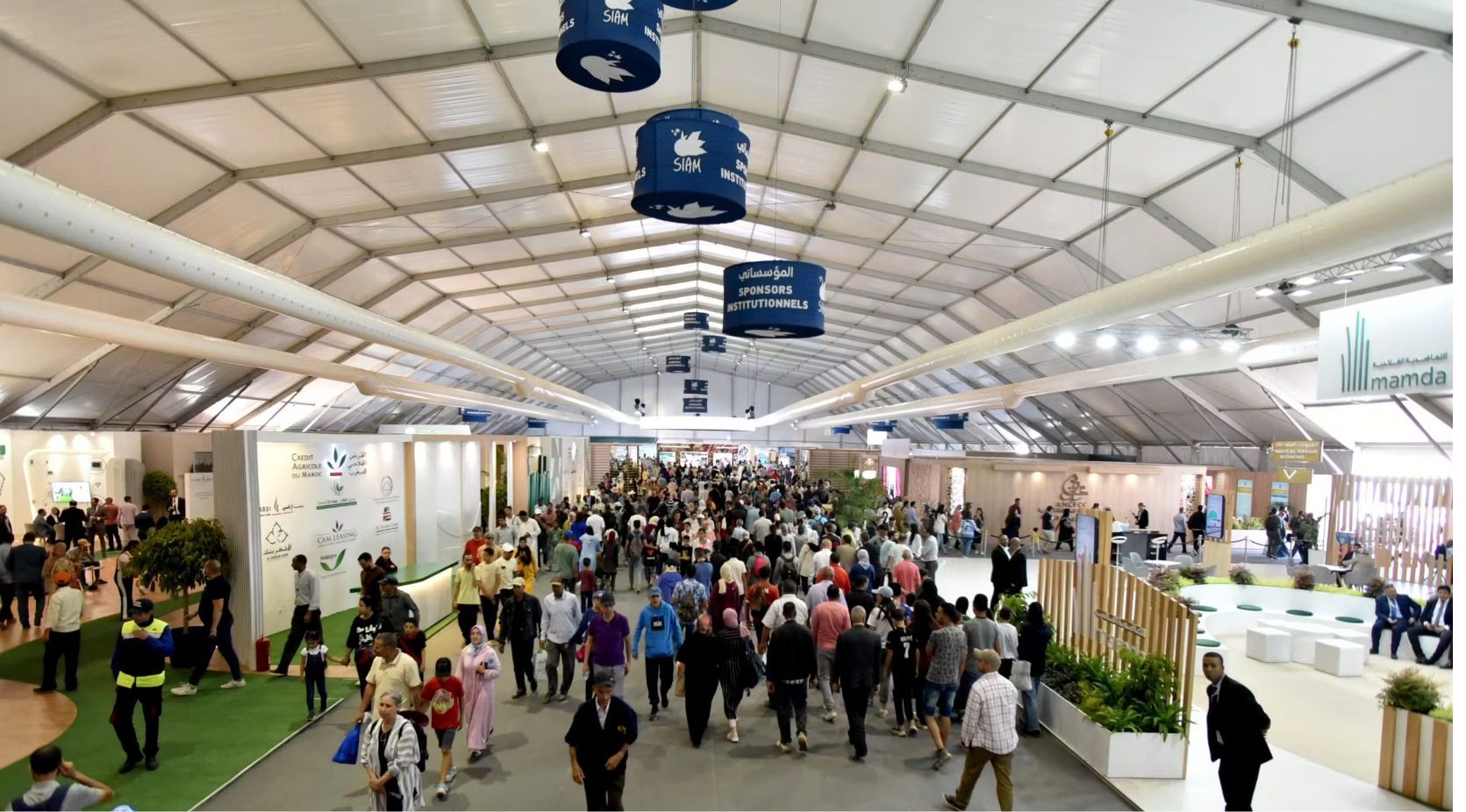
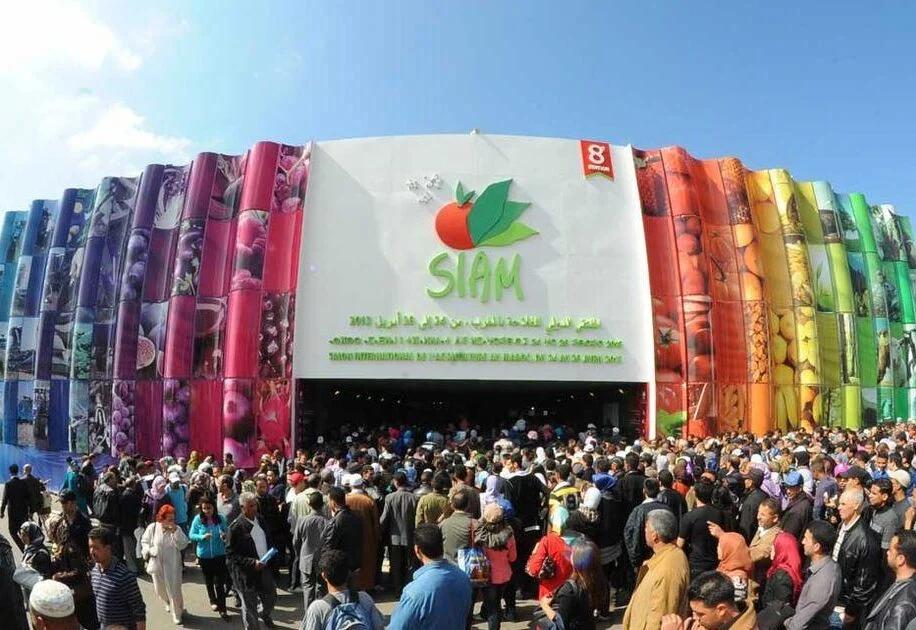
SIAM was founded in 2006 and has grown into the premier agricultural event in Africa and one of the top agricultural shows globally. The 2024 edition attracted over 1,500 exhibitors from more than 60 countries and welcomed more than 1.2 million visitors over five days in Meknès. The show's reach extends well beyond Morocco: delegations from Sub-Saharan Africa, the Gulf, Europe, and the Americas attend SIAM as both exhibitors and buyers.
The show covers the full spectrum of agricultural activity: farming equipment and machinery, irrigation and water management, seeds and plant health, livestock and aquaculture, agri-food processing, rural financing, digital agriculture, and sustainable farming practices. Each sector cluster attracts a distinct professional audience with genuine procurement authority and investment mandates.
What makes SIAM commercially exceptional is the combination of volume and quality. One million visitors is a number that most trade shows in the world cannot approach. But SIAM's visitor profile includes a significant proportion of professional agricultural buyers, ministry officials, investment agency representatives, and agribusiness decision-makers whose procurement decisions directly affect agricultural supply chains across North and West Africa.
Meknès Exhibition Centre: What Exhibitors Need to Know
SIAM takes place at the Complexe Moulay Rachid d'Élevage et des Sports Équestres in Meknès, a large outdoor and indoor exhibition complex that accommodates the show's scale across multiple pavilions, outdoor demonstration areas, and covered halls.
Indoor and outdoor space. SIAM uses both indoor pavilion space and large outdoor areas for equipment demonstrations, livestock exhibitions, and agricultural machinery displays. The show's outdoor areas are particularly important for heavy equipment brands and livestock sector exhibitors. Understanding whether your products and brand presence require indoor or outdoor allocation is the first spatial decision in your SIAM planning.
Pavilion allocation and thematic clusters. SIAM organises its floor plan around thematic pavilions and national zones. Country pavilions from France, Spain, Italy, and other major agricultural exporters occupy prime positions in the show layout. Individual brand stands are allocated within thematic clusters. Positioning your brand within the right thematic cluster is more important at SIAM than at many other shows because visitor flow is heavily structured around specific pavilion themes.
Technical requirements. SIAM's organisers manage technical requirements through a pre-show application process. Stand height restrictions, electrical connection applications, and structural approval requirements vary by pavilion and space type. EFFECT coordinates all technical applications with SIAM's organiser as part of standard project delivery.
Logistics access. Meknès is located approximately 140 kilometres from Casablanca and 60 kilometres from Fès. Freight access to the SIAM site is managed through designated entry routes and logistics windows during installation. EFFECT has delivered projects in Meknès and is familiar with the site's logistics access requirements.
Stand Investment Levels at SIAM
SIAM attracts exhibitors across a very wide range of investment levels, from small Moroccan agribusinesses to major international agricultural equipment manufacturers with large island stands.
Entry-level modular presence (9 to 24 sqm): 8,000 to 22,000 USD
A viable starting point for brands testing the Moroccan and North African agricultural market for the first time. Effective graphic communication and product display within a modular format can generate strong visitor engagement at SIAM given the show's enormous visitor volume.
Custom stand (24 to 72 sqm): 22,000 to 65,000 USD
The range at which genuine brand differentiation becomes achievable. Custom design, quality materials, product display infrastructure, meeting space, and brand communication that stands out in the competitive pavilion environment of SIAM.
Large-format custom island stand (72 to 200 sqm): 60,000 to 180,000 USD
Premium custom builds for major agricultural equipment manufacturers, agri-food brands, and international government trade bodies. Architectural ambition, demonstration zones for large equipment, hospitality infrastructure, and private meeting facilities.
National pavilions and collective stands: 100,000 USD and above
Country-organised collective pavilions that bring multiple national companies under a unified national identity. France, Spain, Italy, and several Gulf countries regularly organise national collective pavilions at SIAM. EFFECT has experience delivering collective pavilion structures and understands the multi-company coordination complexity of these projects.
What Makes a Strong SIAM Stand
The SIAM audience spans a remarkable range of visitor types, from smallholder farmers attending public days to procurement directors from major agribusiness corporations attending professional days. A strong SIAM stand needs to work across this spectrum while prioritising commercial engagement with professional visitors.
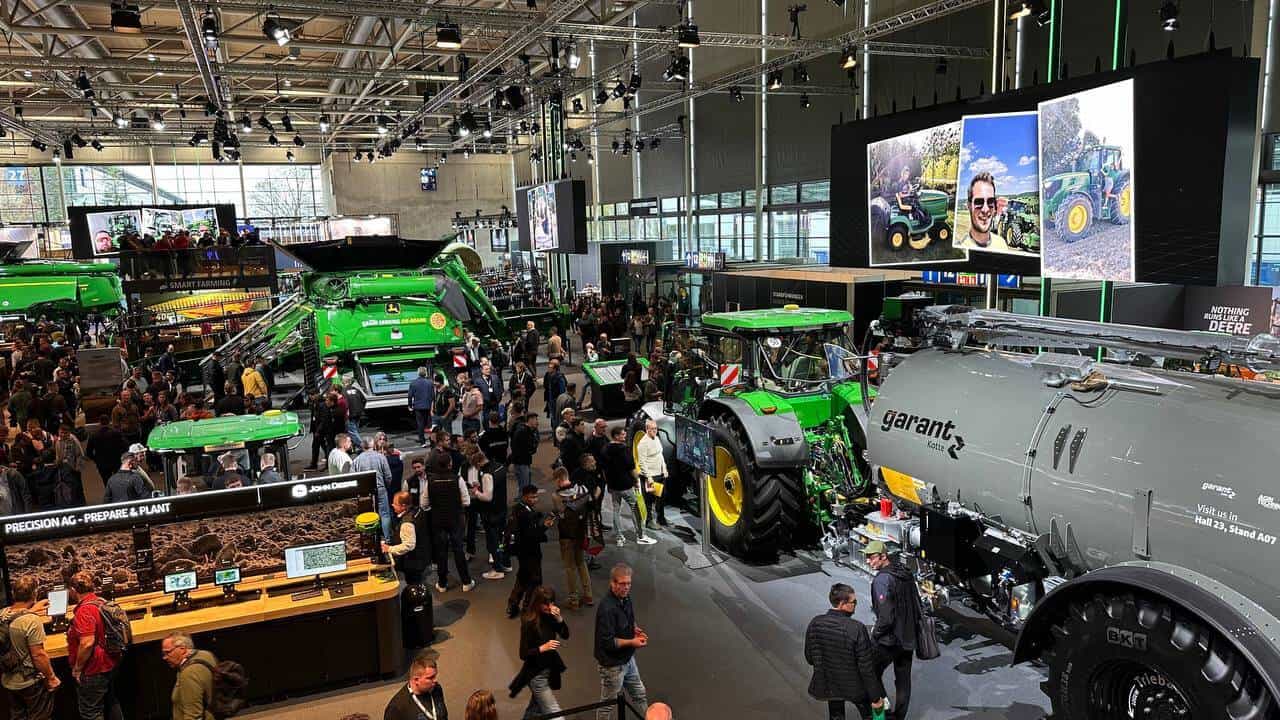
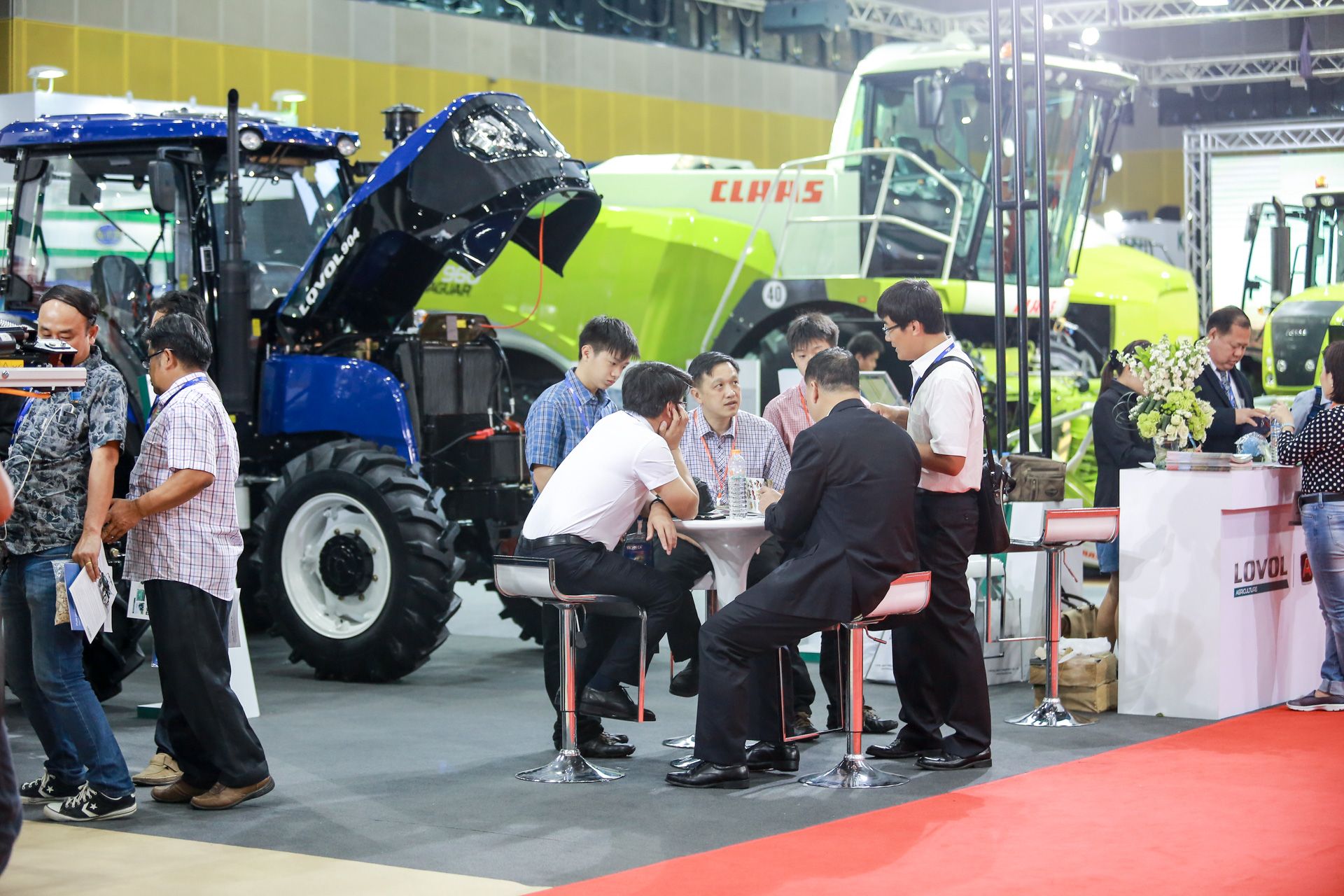
Live equipment demonstration. Agricultural equipment buyers at SIAM want to see machinery and technology operating, not described in brochures. Stands that incorporate live demonstrations of irrigation systems, soil analysis technology, processing equipment, or precision agriculture tools generate disproportionate visitor engagement compared to static display alternatives. Where product size allows, live demonstration is the most commercially powerful investment in your SIAM stand.
Scale and visual impact in an outdoor environment. SIAM's scale means that stands need to be visible across large exhibition areas. Tall structures, strong colour application, overhead branding elements, and LED illumination for evening visibility all matter more at SIAM than at indoor European shows where ambient lighting conditions are controlled.
Arabic and French communication. Morocco is a bilingual market where French is the language of business and Arabic is the official language. Stand graphics in both languages are standard for brands serious about Moroccan market engagement. For brands targeting Sub-Saharan African visitors, French is the primary language of regional commercial communication. English is widely understood in international business contexts but is not the primary language of SIAM visitor interactions.
Hospitality for extended conversations. Moroccan business culture combines French professional formality with North African hospitality traditions. Stand environments that provide comfortable seating, refreshments, and a welcoming atmosphere create the conditions for the extended conversations that generate distributor relationships and commercial outcomes. SIAM visitors who feel welcomed at a stand stay longer and engage more deeply with the brand.
Country of origin and certification display. Moroccan agricultural buyers are sophisticated evaluators of product origin and quality credentials. CE marking, ISO certification, country of manufacture, and compliance with Moroccan agricultural standards (when applicable) should all be clearly visible in stand graphics.
Logistics: Getting Your Stand to Meknès
Morocco's logistics infrastructure is the most developed in North Africa, making SIAM one of the operationally smoother North African shows to serve as an exhibitor. However, Meknès's inland location creates specific logistics considerations that differ from shows at Casablanca port-adjacent venues.
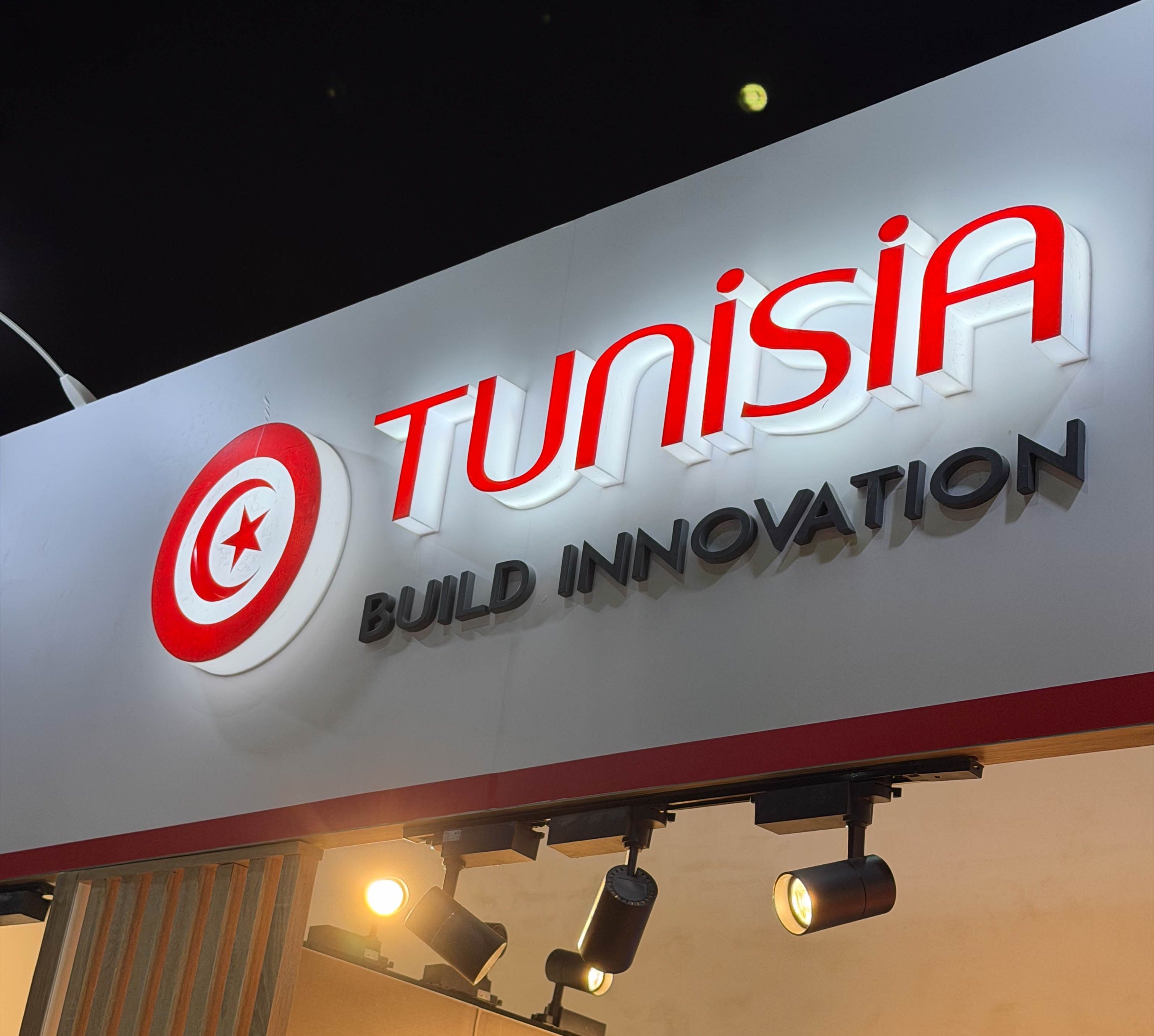
Freight routing from Tunisia. EFFECT ships stand components from our Tunisia production facility to Morocco by road via the Spain-Morocco ferry crossing at Tanger or by sea freight to Casablanca port with onward road transport to Meknès. Road freight via Tanger runs approximately three to four days from Tunis. Sea freight to Casablanca plus road to Meknès runs approximately five to seven days total.
ATA Carnet for Moroccan entry. Tunisia is outside the European Union but Morocco and Tunisia are both ATA Carnet system members. Exhibition materials from Tunisia entering Morocco for SIAM qualify for temporary importation under ATA Carnet. EFFECT manages ATA Carnet documentation for all Morocco projects as standard.
Accommodation in Meknès during SIAM. Meknès hotel capacity is limited relative to SIAM's scale. Hotels fill up months before the show. EFFECT books accommodation for installation crews early and recommends that clients book their own accommodation as soon as floor space is confirmed with SIAM organisers.
On-site logistics at the SIAM complex. The SIAM exhibition complex requires specific logistics coordination for both indoor pavilion and outdoor space deliveries. EFFECT coordinates freight routing to the correct site access point for each space type and manages on-site handling as part of standard project delivery.
Planning Timeline for SIAM
SIAM takes place in April or May in Meknès. Working backwards from a typical spring show date, the recommended planning timeline is:
December to January: Confirm floor space booking with SIAM organisers. Brief your exhibition stand contractor. Begin concept design development. Book accommodation in Meknès.
February: Finalise stand design. Prepare ATA Carnet documentation. Confirm freight routing and forwarding arrangements. Submit technical applications to SIAM organisers.
March: Fabrication in progress. Graphic content production. Live demonstration equipment preparation and logistics coordination.
Early April: Pre-show quality inspection of completed stand. Freight dispatch from Tunisia to Morocco. Border clearance and transport to Meknès.
Mid to Late April: Stand components arrive at SIAM complex. Installation by EFFECT team over two to three days. Technical approvals obtained.
Show week (April to May): SIAM opens. EFFECT on-site support throughout the show. Full dismantling after closing.
How EFFECT Approaches SIAM Projects
EFFECT has operated in Morocco across multiple shows and maintains established freight forwarding relationships into Meknès. Our Tunisia headquarters gives us a natural logistics corridor to Morocco and familiarity with the customs and transport infrastructure between the two countries.
For SIAM specifically, we account for the show's scale in every aspect of our project planning. Installation at a show receiving 1.2 million visitors requires more advance coordination, more contingency planning, and more on-site management than a standard indoor European show. Our SIAM projects are planned with these realities built in from the beginning of the brief.
Contact EFFECT to discuss your SIAM exhibition stand. Our team will respond with a detailed proposal within 24 hours.