Choosing an exhibition stand contractor is not a procurement exercise. It is a risk management decision.
The contractor you select will hold your brand's physical representation in front of thousands of industry decision-makers. They will manage your budget, your timeline, your logistics, and your on-site execution under conditions that leave no room for error. A show opens whether your stand is ready or not.
This guide gives you the eight questions that separate contractors who can genuinely deliver from those who will create problems at the worst possible moment.
Why Most Brands Choose the Wrong Contractor
The most common mistake brands make when selecting an exhibition stand contractor is treating it like a standard procurement decision: collect three quotes, choose the lowest, hope for the best.
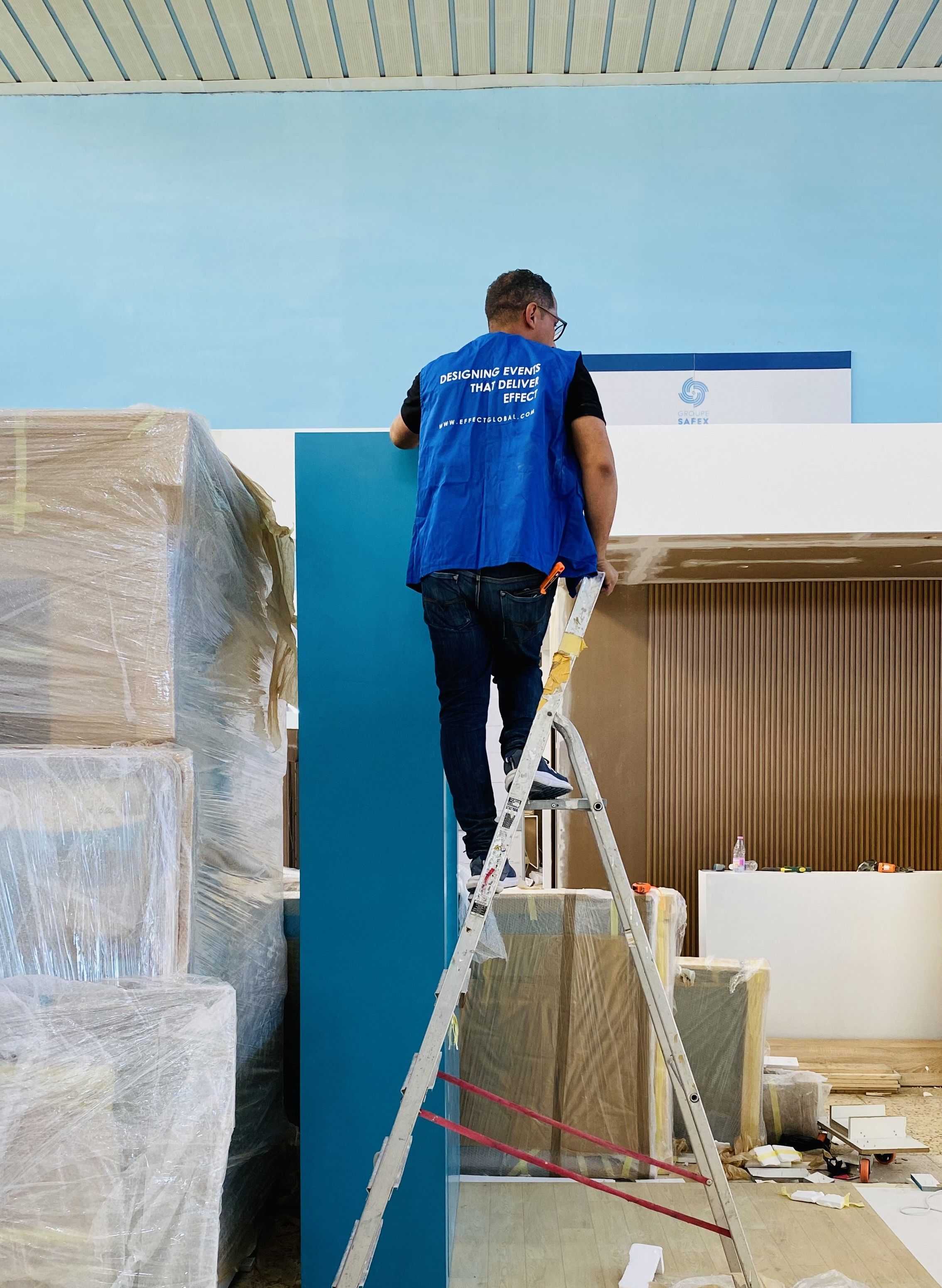
This approach fails because the variables that determine whether a stand project succeeds or fails, design capability, production quality, logistical competence, on-site management, are not visible in a quote document. A low quote from an underqualified contractor and a competitive quote from an experienced one look identical on paper until the show floor.
The eight questions below are designed to surface those differences before you commit.
Question 1: Can You Show Me Stands You Have Actually Built, Not Just Rendered?
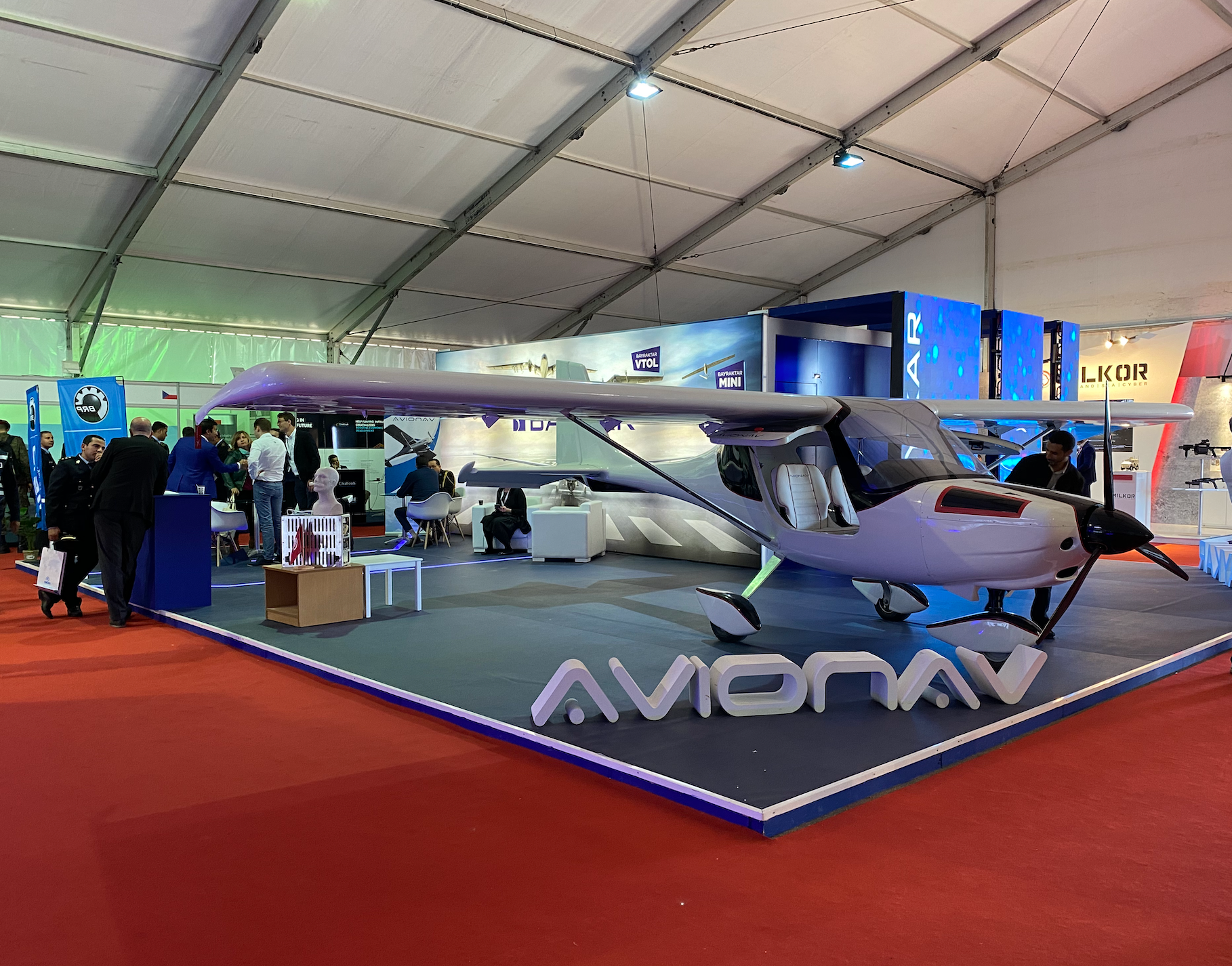
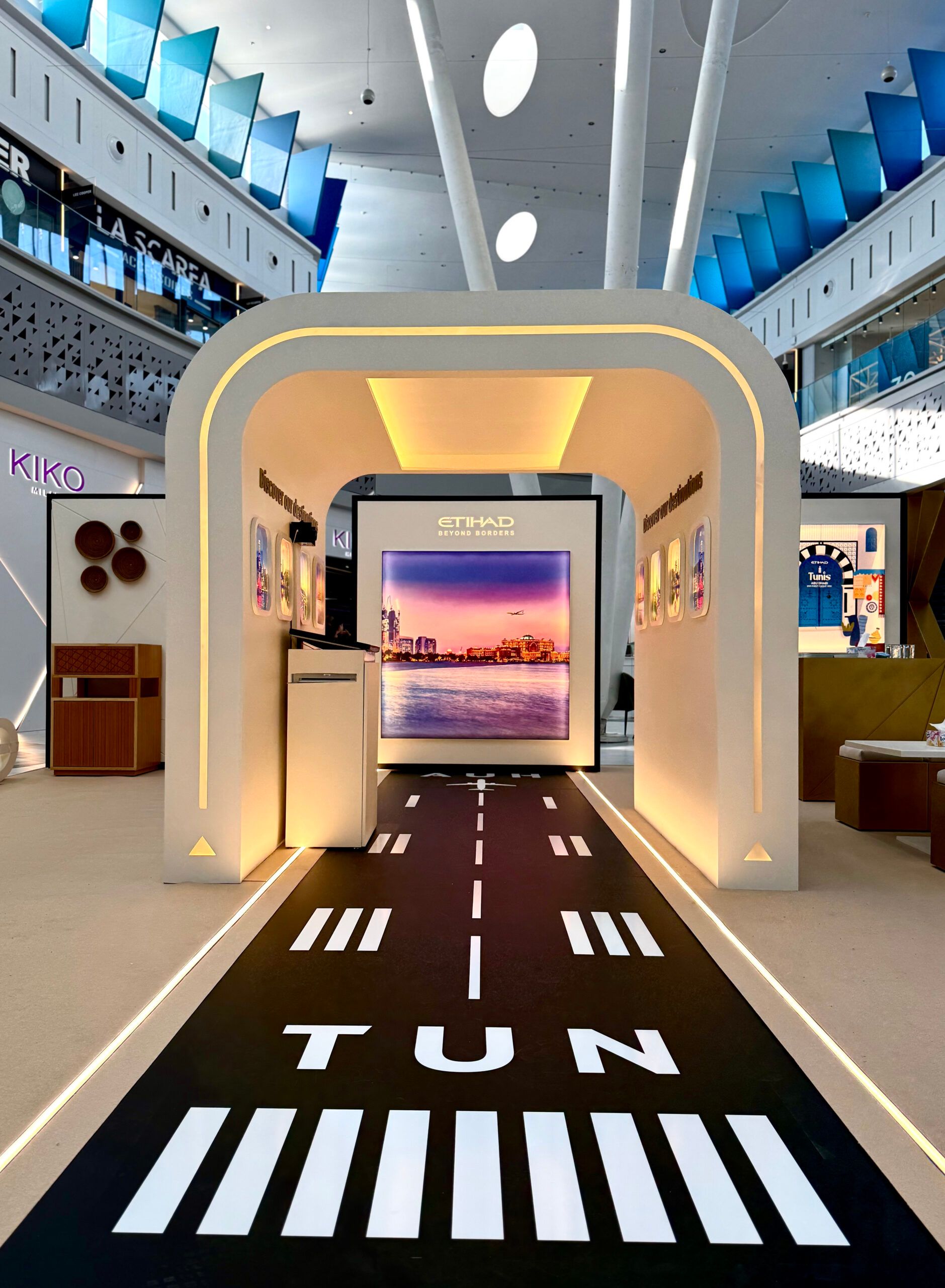
Every contractor has beautiful 3D renders. Not every contractor has photographs and videos of those renders built and installed at real shows.
Ask for a portfolio of completed projects, specifically photographs taken on the show floor, not in a studio or during pre-production. Better still, ask for video walkthroughs of installed stands.
What you are looking for: evidence that the finished product matches the design intent. The gap between a render and a completed stand is where execution quality reveals itself. Tight joints, consistent finishes, clean cable management, and branded graphics that align precisely tell you whether a contractor's production team can actually deliver what their design team promises.
What a strong answer looks like: A portfolio of real installed projects with clear photography, identifiable shows and clients, and a willingness to provide references from past exhibitors.
Red flag: Portfolios dominated by renders, visualisations, or studio photography with no real show-floor evidence.
Question 2: Who Actually Builds the Stand, Your Team or Subcontractors?
This is one of the most important questions in the selection process and one of the least asked.
Many exhibition stand contractors operate as brokers. They handle design and client management but outsource fabrication and installation to third-party production teams. This model is not inherently problematic, but it creates accountability gaps that become very visible when something goes wrong on-site.
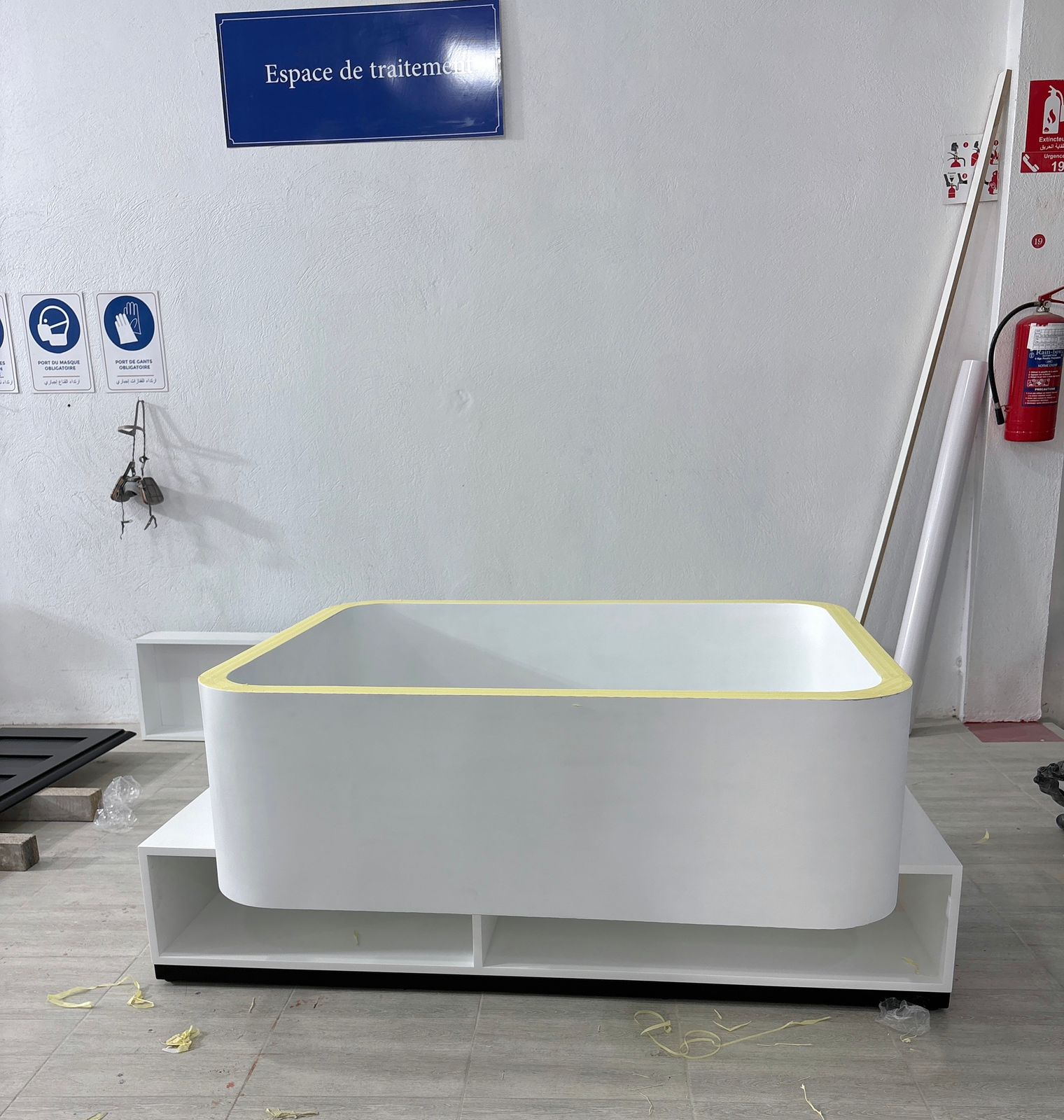
When a contractor owns their production, their own fabrication workshop, their own installation crews, they control quality at every stage. When they broker to subcontractors, quality control depends on how well they manage those relationships.
What a strong answer looks like: A contractor who can describe their own production facility, their permanent installation teams, and their quality control process at each production stage.
Red flag: Vague answers about "partner networks" or reluctance to explain who physically builds the stand.
Question 3: Have You Built in This Venue Before?
Every major trade fair venue has its own technical regulations, height restrictions, structural approval requirements, loading dock procedures, and installation window rules. Contractors who have worked in a venue before know these constraints from experience. Contractors who have not are learning them on your budget and timeline.
At shows like Messe Frankfurt, Fiera Milano, or DWTC Dubai, the venue approval process for complex stands requires certified structural drawings submitted weeks before the show. A contractor unfamiliar with this process can cause delays that threaten your installation timeline.
What a strong answer looks like: Specific experience at the venue or at comparable venues in the same market, with examples of how they navigated technical requirements.
Red flag: A contractor who has never worked in your target market and cannot explain how they plan to manage local venue requirements.
For Qatar specifically, see our guide to Qatar Civil Defence compliance and DECC/QNCC venue requirements.
Question 4: What Happens If Something Goes Wrong On-Site?
This question separates contractors who have genuinely delivered under pressure from those who have only managed smooth projects.
Ask specifically: what is your protocol when a component arrives damaged, when an installation is running behind schedule, or when a venue inspection identifies a structural issue? The quality of the answer tells you whether the contractor has contingency thinking built into their process or whether they are improvising under pressure.
What a strong answer looks like: A contractor who describes specific contingency protocols, backup material stocks, local supplier relationships for emergency procurement, on-site supervisors with authority to make decisions, direct lines to production teams.
Red flag: Generic reassurances without specific processes. Any contractor who says problems never happen is either inexperienced or not being honest.
Question 5: What Does Your Project Timeline Look Like, And What Are the Key Milestones?
A professional exhibition stand contractor manages projects against a structured timeline with defined milestones: design sign-off, material procurement, fabrication completion, pre-show quality inspection, freight dispatch, and installation schedule.
Ask to see a sample project timeline or request that they outline the milestones for your specific project. This reveals how structured their project management actually is.
What a strong answer looks like: A clearly articulated timeline with specific milestones, defined approval points where you are involved, and realistic lead time expectations based on your show date.
Red flag: A contractor who cannot provide a structured timeline or who suggests that a timeline will be worked out after signing. This indicates reactive rather than proactive project management.
Question 6: How Do You Handle International Logistics and Customs?
For brands exhibiting internationally, logistics competence is as important as design capability. A stand that is stuck in customs, delayed at a port, or arrives at the venue without the correct documentation is a brand crisis, not just an operational inconvenience.
Ask specifically about their process for international freight, customs clearance, and temporary importation procedures (ATA Carnet). In markets like Saudi Arabia, Algeria, and some African countries, customs procedures for exhibition materials are complex and require specific documentation and local knowledge.
What a strong answer looks like: A contractor with established freight forwarding relationships, experience managing ATA Carnets, and specific knowledge of customs procedures in your target market.
Red flag: A contractor who treats logistics as a detail to be sorted out later, or who has no experience managing international freight in your specific market.
Question 7: What Reporting Will I Receive During Production and Installation?
The period between design sign-off and the show opening is when most exhibitors experience anxiety. Your stand is being built somewhere, and you have no visibility into whether it will be ready, what it looks like, or whether the quality matches what you approved.
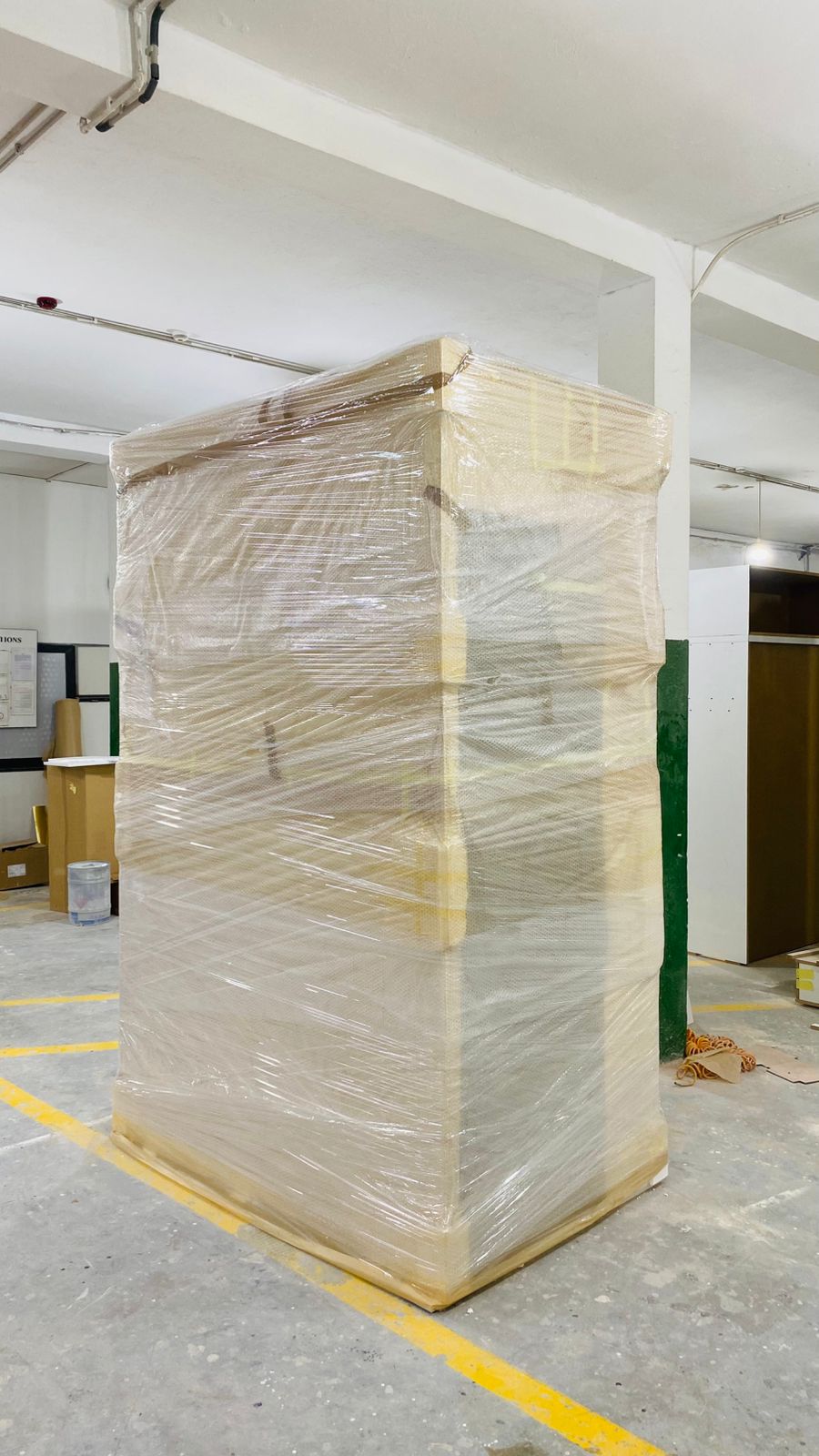
Professional contractors provide structured reporting throughout the production and installation process: photographs at fabrication milestones, video walkthroughs during pre-assembly, and real-time updates during on-site installation.
What a strong answer looks like: A defined reporting cadence, specific milestones at which you receive photographic updates and a named project manager who is your single point of contact throughout.
Red flag: A contractor who expects you to trust the process without visibility, or who has no defined reporting structure.
Question 8: What Is Included in the Quote And What Is Not?
Exhibition stand quotes are notorious for hidden costs that appear as the project progresses. Graphic production, AV integration, freight, customs handling, venue fees, furniture, dismantling, and storage are all commonly excluded from initial quotes and added as line items later.
Ask for a fully itemised quote that specifies exactly what is and is not included. Then ask explicitly about the items most commonly excluded: graphics, freight, installation labour, on-site supervision, and post-show dismantling.
What a strong answer looks like: A detailed quote with clear line items, explicit statements about what is excluded, and a contractor who is willing to explain every line.
Red flag: A headline price with vague scope language, reluctance to itemise costs, or a contractor who becomes evasive when you ask what is not included.

How to Use These Questions in Practice
Send these questions in writing before any meeting. A contractor's response time, the quality of their written answers, and the evidence they provide all tell you something about how they operate.
In the meeting itself, listen for specificity. Experienced contractors answer with examples, references to specific projects, and concrete processes. Inexperienced contractors answer with generalities, reassurances, and promises.
The goal is not to find the cheapest contractor. It is to find the contractor whose execution capability matches the commercial importance of your exhibition investment.
Your stand is your brand's physical presence in front of your industry. Choose who builds it accordingly.