May 30, 2023
Events bring people together, strengthen relationships, and support business growth. From conferences and product launches to weddings and festivals, successful events create lasting memories.
That is why professional event management matters. In this event management guide, we explain the full process, key phases, and essential skills needed to deliver impactful events.
What Is Event Management?
Event management is the process of planning, organizing, and delivering an event from start to finish. It includes budgeting, logistics, marketing, coordination, and post-event evaluation.
An event manager brings all elements together to ensure a smooth and memorable experience for attendees.
The event management process is usually divided into four main phases.
Phase 1: Event Planning and Design: Building a Solid Foundation
This first phase sets the foundation for the entire event. At this stage, the vision becomes clear and the structure takes shape.
Define Goals and Audience
Start by identifying the purpose of the event. Ask yourself:
Who is the target audience?
What message should the event deliver?
What results do you expect?
Clear answers guide better decisions later.
Budgeting and Workflow
Next, create a realistic budget. Include venue costs, catering, staffing, and marketing.
Then, build a workflow that outlines tasks, deadlines, and responsibilities.
Venue and Vendor Selection
Choose a venue that matches the event size and atmosphere. Also, work with reliable vendors such as:
Audio-visual teams
Decorators
Caterers
Photographers
Travel and Accommodation
For international guests, manage hotel room blocks and travel planning early.
Phase 2: Event Promotion and Marketing
Once planning is complete, promotion helps generate interest and attract attendees.
Event Website and Registration
An event website provides key information such as schedules, speakers, and venue details. A simple registration system also improves the attendee experience.
Marketing to the Right Audience
Use targeted marketing strategies to reach the right people. For example:
Social media campaigns
Email invitations
Industry partnerships
As a result, attendance and engagement increase.
Managing Speakers, Exhibitors, and Sponsors
Strong communication with speakers and sponsors ensures they feel supported and aligned with event goals.
Content Creation
Create engaging content such as:
Promotional graphics
Blog articles
Short videos
Social media updates
This keeps the audience excited before the event
Professional event standards are also supported by organizations such as the Events Industry Council.
Phase 3: Day-of-Event Management
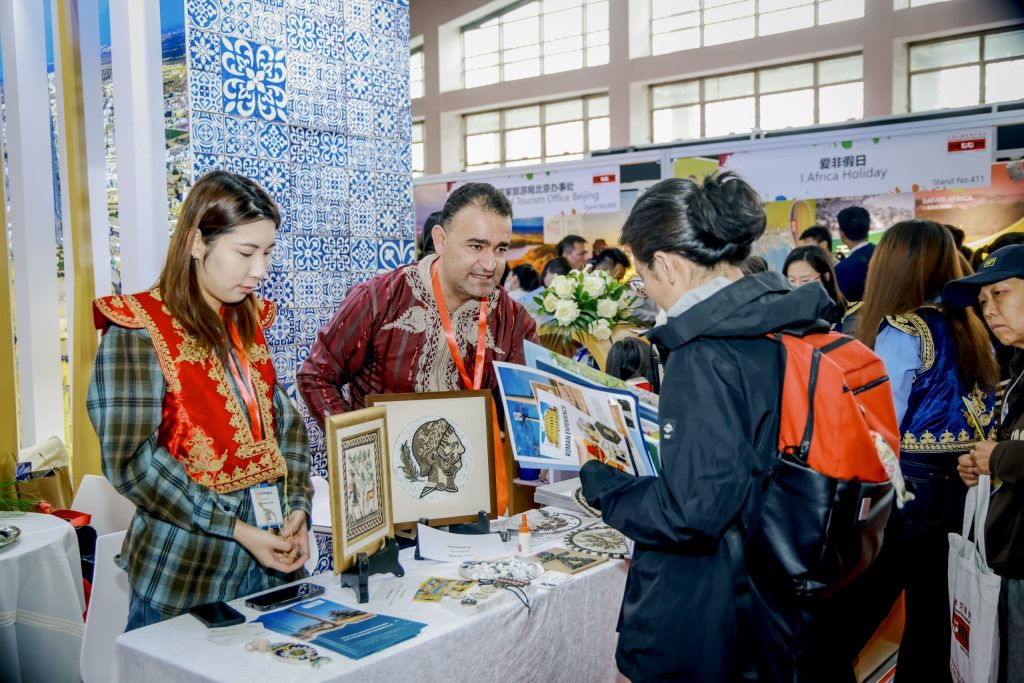
This phase brings the plan to life. On the event day, execution and coordination are critical.
On-Site Logistics
Manage schedules, staff, vendors, and guest flow. Stay flexible so you can solve issues quickly.
Virtual and Hybrid Events
For webinars and online events, ensure technical support, interactive tools, and clear communication.
Attendee Engagement Tools
Event apps help attendees access schedules, maps, and networking features. Therefore, interaction becomes easier and more dynamic.
Check-In and Badging
A smooth check-in process reduces waiting times and creates a professional first impression.
Networking Opportunities
Encourage connections through lounges, meetings, or networking sessions.

Phase 4: Post-Event Management
The event does not end when guests leave. Post-event work helps maximize impact and improve future planning.
Follow-Up and Lead Capture
Collect attendee data and send personalized follow-up messages.
Feedback and Surveys
Post-event surveys provide insights into what worked well and what can improve.
Measuring Event ROI
Calculate return on investment to understand the event’s business value.
Improving Future Strategy
Event management tools and software can streamline processes and enhance results over time.

Essential Event Management Skills
Successful event managers need a strong skill set, including:
Communication with clients and vendors
Organization and attention to detail
Problem-solving under pressure
Negotiation and budgeting
Creativity in event design
Ongoing learning also helps professionals stay ahead in this fast-moving industry.
Conclusion
This event management guide shows how successful events require structured planning, strong promotion, smooth execution, and post-event evaluation.
Whether you are organizing corporate events, exhibitions, or live experiences, mastering these phases helps you deliver memorable results.
To learn more about professional event delivery, visit our Event Management Services page.
Contact-us
Ready to Plan Your Next Event?
Contact us:
MAIL us:
info@effectglobal.com